
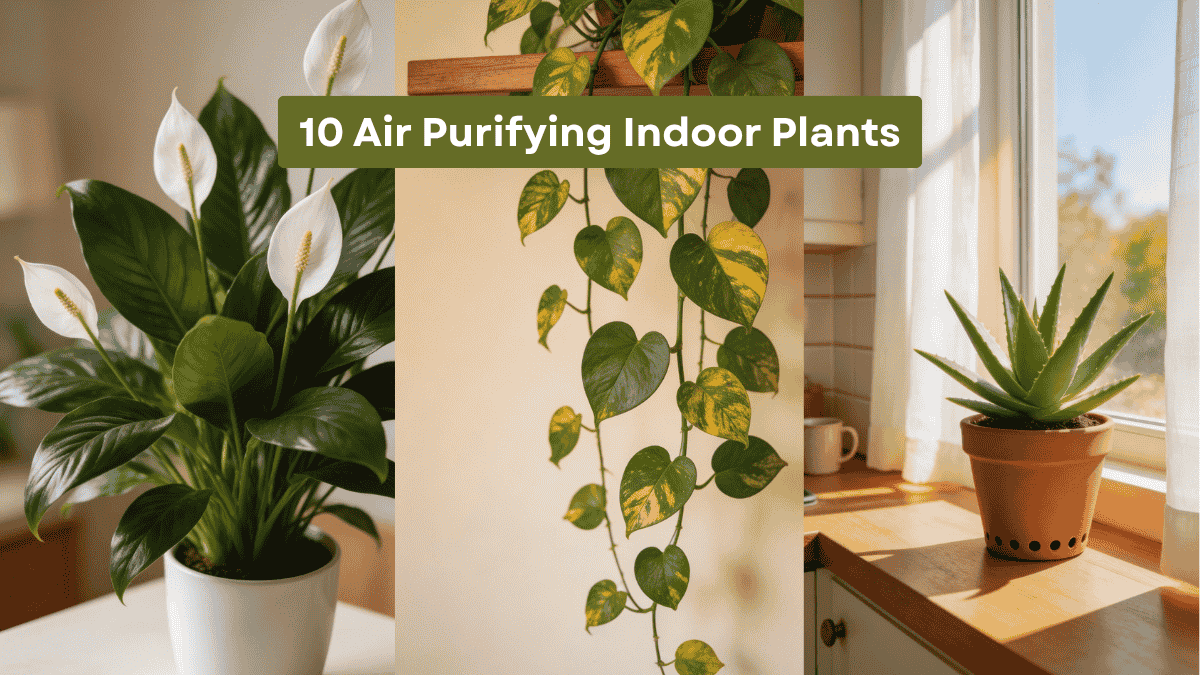
There is something quietly unsettling about stepping into a room that feels stuffy and stagnant, especially when you cannot quite identify why the air feels heavy. Perhaps you have noticed a faint chemical scent from new furniture, or you simply spend too many hours breathing recycled air in your home office.
We often focus on making our spaces look beautiful while forgetting that the atmosphere we breathe matters just as much as the colors on our walls. This is where air purifying indoor plants step in as gentle companions.
They do not demand constant attention or dramatic changes to your routine. Instead, they sit quietly in their ceramic pots, filtering toxins while adding a touch of living green to your shelves. In this guide, we will explore ten reliable varieties that genuinely help create a fresher, more pleasant home environment.
Table of Contents
Understanding the Quiet Work of Plants
Research from NASA first highlighted what many gardeners already sensed. Plants do more than decorate a room. They absorb volatile organic compounds through their leaves and roots, pulling unwanted particles from the air we breathe.
While a single fern cannot replace a mechanical filter, a collection of healthy houseplants creates a meaningful difference in enclosed spaces. Think of air purifying indoor plants as living air fresheners that never require batteries or artificial fragrance.
They increase humidity levels naturally and reduce dust accumulation on surfaces. The best part is that this happens continuously, without any sound or bright lights, while you sleep or work.
Ten Best Air Purifying Houseplants for Your Space
1. Snake Plant
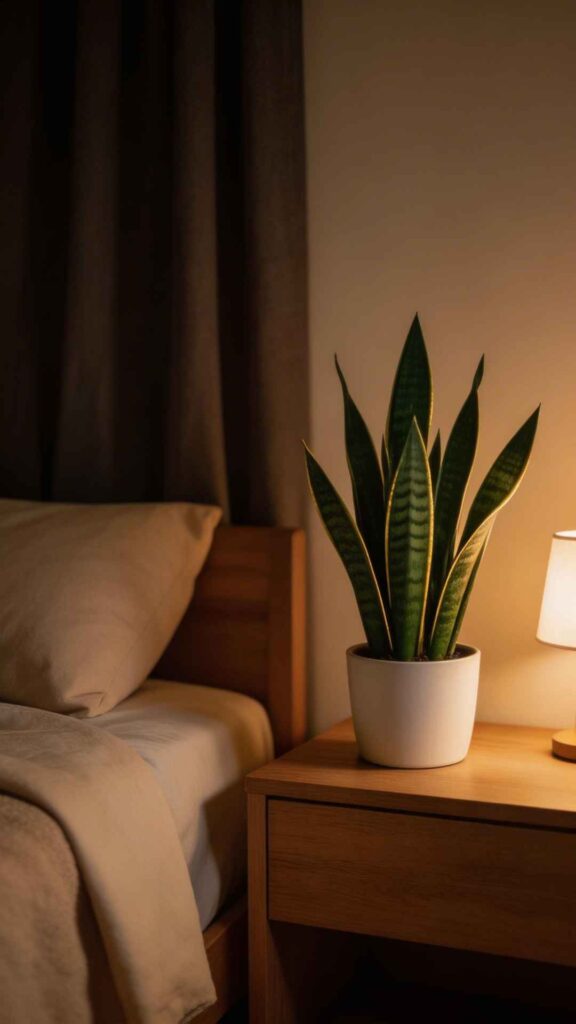
If you are new to keeping greenery alive, the snake plant offers a forgiving start. Its tall, architectural leaves stand upright like ribbons of dark green with subtle gold edges, fitting neatly into narrow corners beside bookcases or consoles. This succulent tolerates low light and irregular watering, making it perfect for bedrooms where you might forget to open the curtains.
At night, it continues releasing oxygen while absorbing carbon dioxide and airborne toxins such as formaldehyde. Place one near your bedside table to encourage better rest without worrying about complicated care routines.
2. Peace Lily
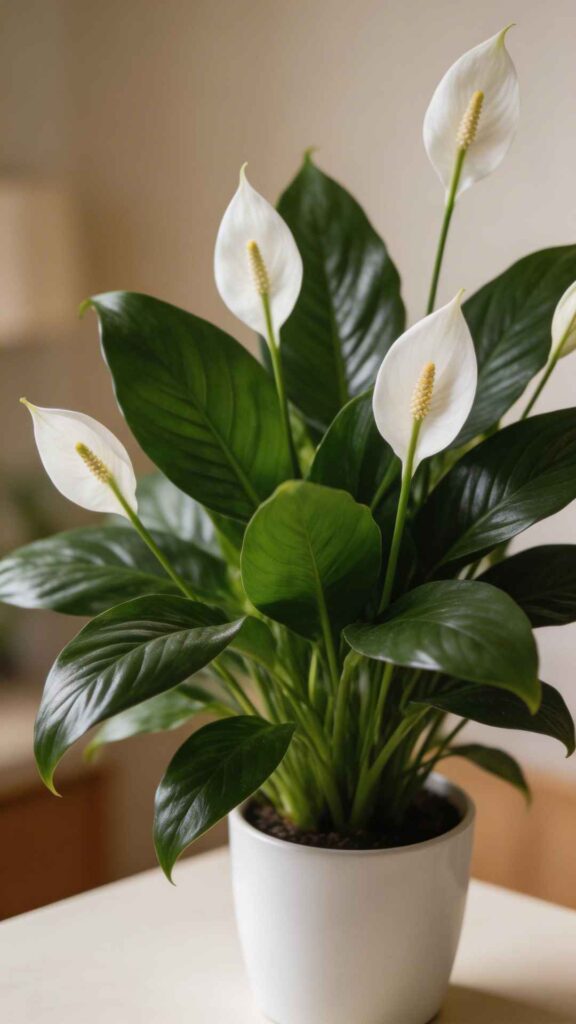
The peace lily brings a sense of calm with its dark glossy leaves and delicate white blooms that resemble flags of truce. It thrives in medium to low light, though it will let you know when thirsty by drooping slightly, then perking up again after watering.
This plant specifically targets ammonia, benzene, and acetone in the air, making it a thoughtful choice for rooms where you store cleaning supplies or paint. Keep the soil lightly moist and wipe the leaves occasionally with a damp cloth to help it breathe and photosynthesize efficiently.
3. Spider Plant
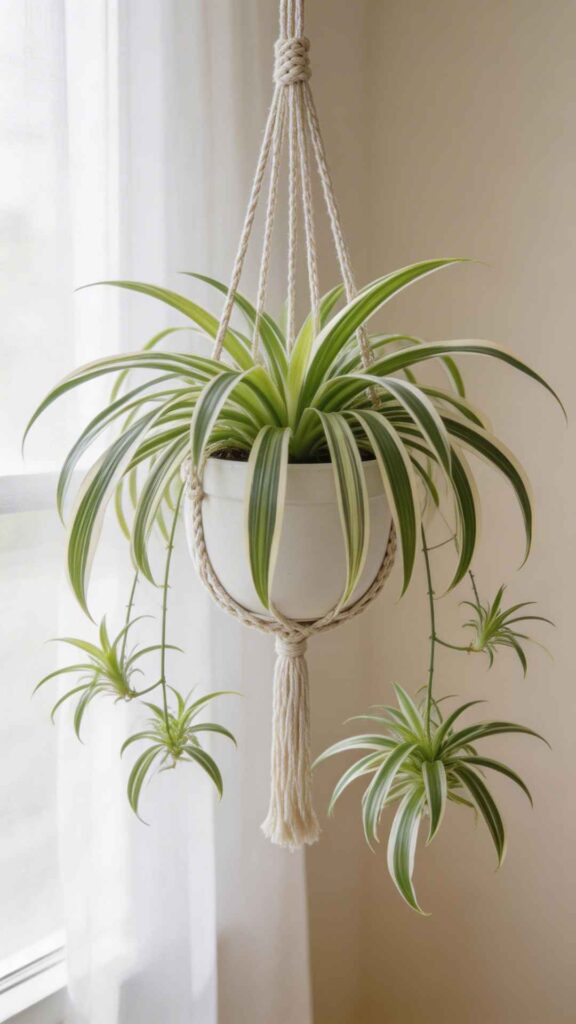
With its arching leaves striped in cream and green, the spider plant adds a soft, cascading element to high shelves or hanging planters. It is remarkably adaptable and produces small offshoots that you can snip and root in water, giving you new plants to share with friends.
Spider plants excel at removing carbon monoxide and xylene from indoor environments. They prefer bright, indirect light but will tolerate less sunny spots. Water thoroughly when the top inch of soil feels dry, and avoid letting their roots sit in soggy conditions to prevent rot.
Also See: 15 Brilliant Home Organization Ideas to Declutter Your Space Fast
4. Golden Pothos
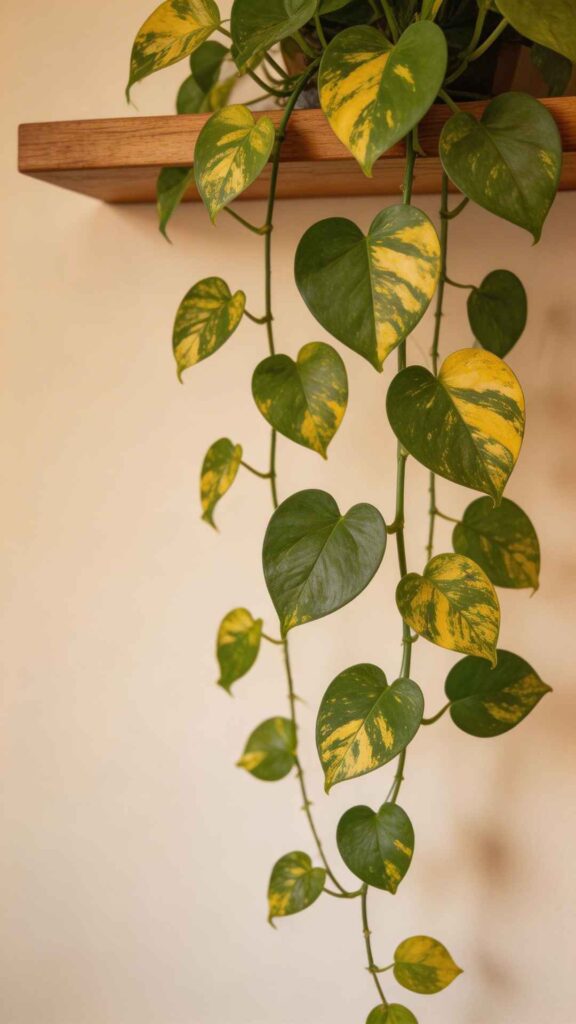
Sometimes called devil’s ivy, this trailing vine grows quickly and gracefully downward from mantels or upward around moss poles. Its leaves are shaped like hearts and variegated with yellow, creating a warm, welcoming texture against painted walls.
Pothos tolerates neglect better than most, surviving in fluorescent office lighting or dim hallway corners. It filters formaldehyde, benzene, and toluene effectively. Simply trim the vines when they grow too long, and place the cuttings in water to propagate. This creates an endless supply of new growth to place around your home.
5. Rubber Plant
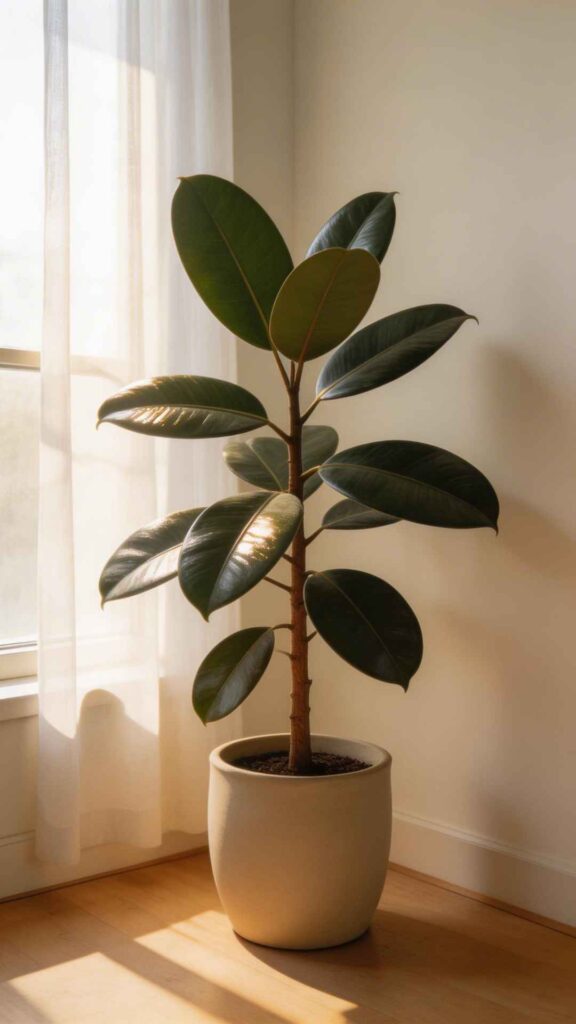
For those seeking something with more presence, the rubber plant offers broad, dark leaves with a subtle sheen that catches morning light beautifully. It grows into a small tree indoors, filling vertical space in empty corners near windows.
The large surface area of its leaves allows it to process significant amounts of carbon dioxide and convert it into oxygen. It prefers consistent watering schedules and bright, indirect sunlight. Rotate the pot quarterly so all sides receive equal light, preventing the plant from leaning toward the window.
6. Boston Fern
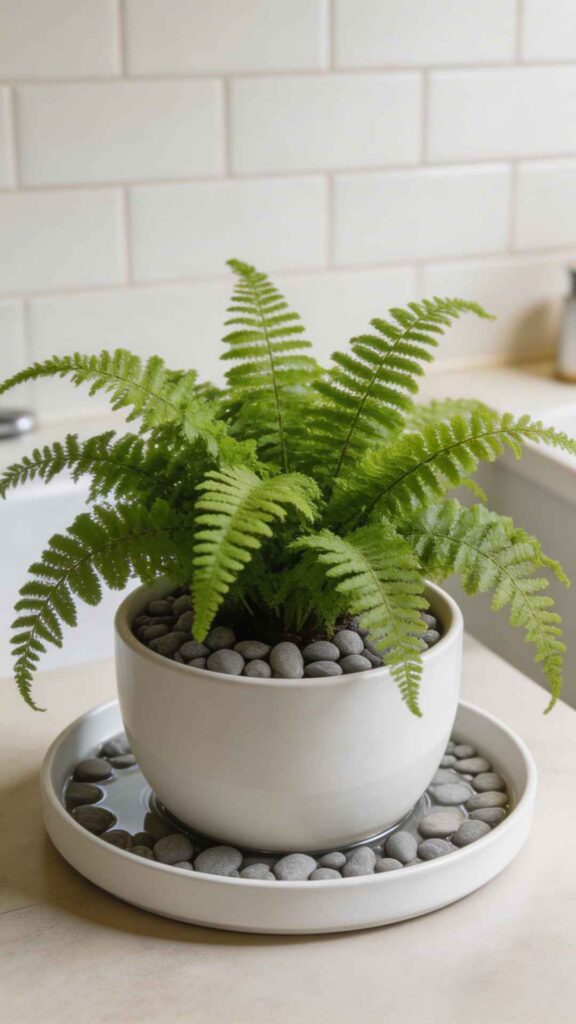
This classic fern brings a touch of woodland charm with its feathery fronds that spill softly over pot edges. Unlike some desert varieties, Boston ferns love humidity, making them ideal companions for bathrooms or kitchens where steam gathers naturally.
They are particularly good at removing formaldehyde and xylene from the air. Mist the fronds regularly if your home runs dry during winter months, or place the pot on a tray filled with pebbles and water. Keep the soil consistently damp but never waterlogged.
7. Aloe Vera
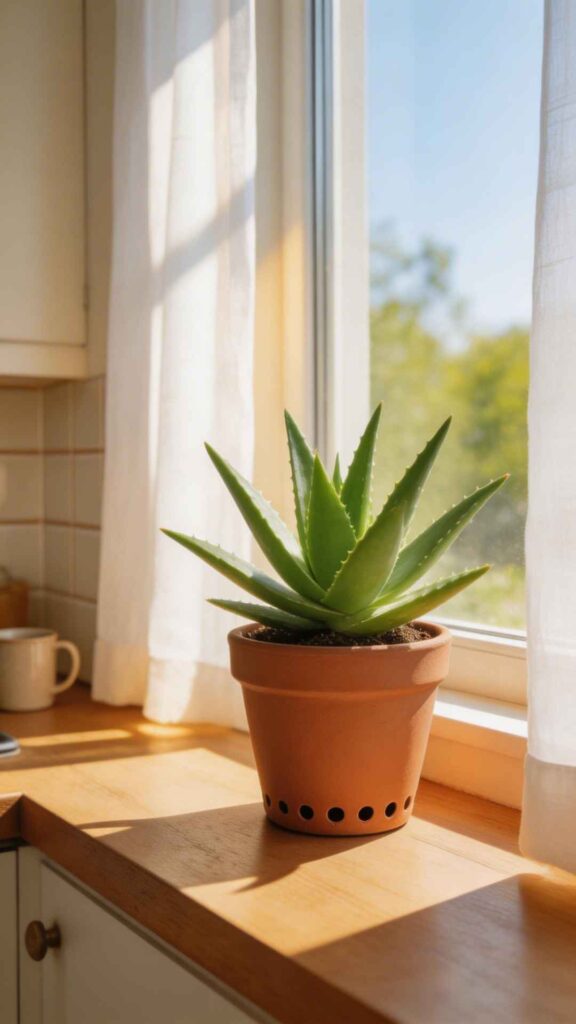
Beyond its reputation for soothing minor burns, aloe vera serves as an excellent air purifying indoor plant for sunny kitchen windowsills. Its thick, fleshy leaves store water, allowing it to withstand occasional forgetfulness regarding watering schedules.
The plant helps clear formaldehyde and benzene from the air, substances commonly found in varnishes and floor finishes. Allow the soil to dry completely between waterings, and ensure the pot has drainage holes. Too much moisture causes the roots to decay quickly.
8. Bamboo Palm
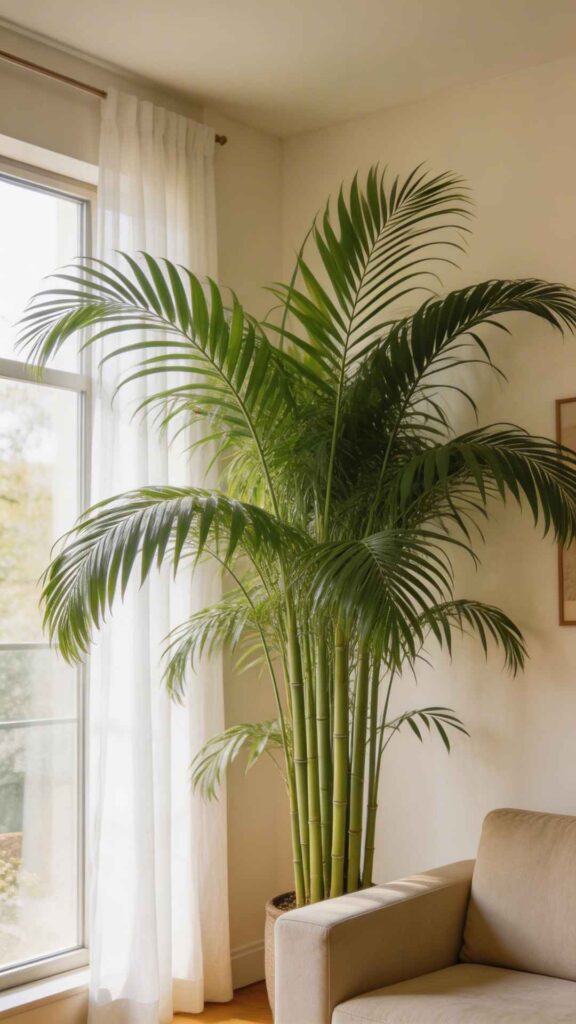
Tall and graceful, the bamboo palm creates an instant focal point with its slender trunks and arching fronds. It brings a tropical feeling to living rooms while filtering benzene and trichloroethylene from the atmosphere.
This variety prefers bright, filtered light and moderate watering. As it grows, it can reach ceiling heights, so position it where it has room to stretch upward. The dense foliage also adds welcome privacy when placed near windows facing busy streets.
Also See: Roof Maintenance Tips for Homeowners to Extend Roof Life
9. Dracaena Marginata
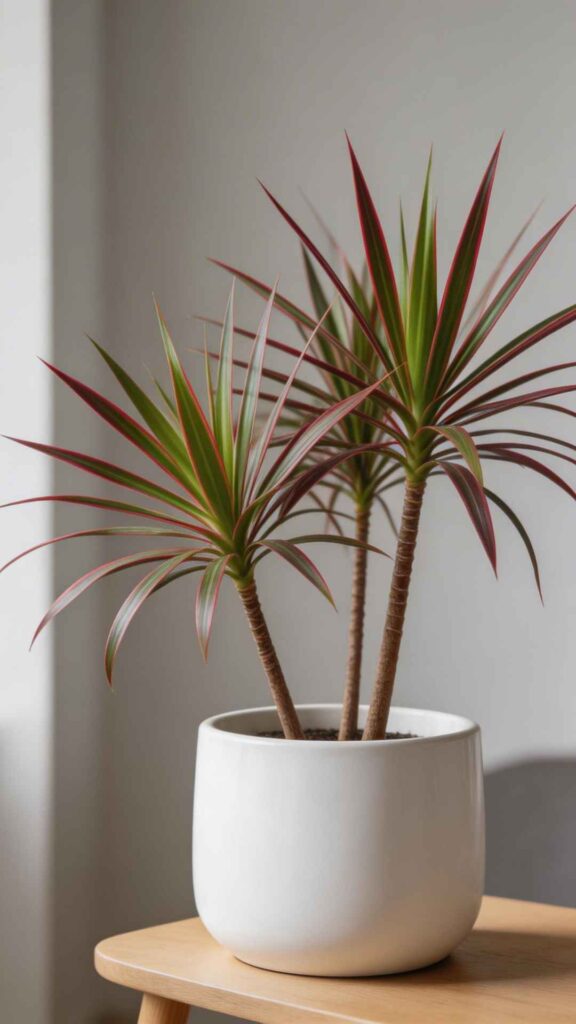
With its spiky leaves striped in red and green, this plant adds architectural interest to modern interiors. It handles indoor conditions well and removes pollutants including xylene and toluene.
Keep it away from pets, as the leaves can cause stomach upset if chewed. Water when the top soil dries, and dust the leaves monthly with a soft cloth. This simple maintenance keeps the stomata clear so the plant can exchange gases efficiently.
10. English Ivy
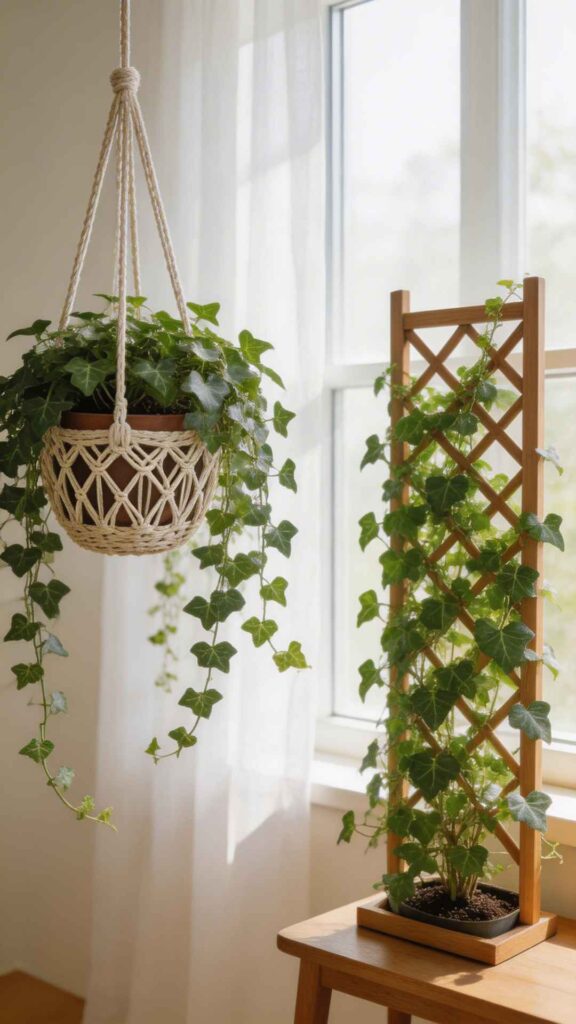
English ivy works beautifully in hanging baskets or trained to climb small trellises indoors. Its small, lobed leaves create a dense mat of green that softens hard edges and moldings.
Studies suggest it reduces airborne mold and fecal matter particles, making it a practical choice for allergy sufferers. Provide bright light and keep the soil moderately moist. Prune regularly to maintain a bushy shape and prevent the vines from becoming leggy and sparse.
Creating the Right Environment
Simply owning these plants is not enough. To maximize their potential as indoor plants for air quality, consider where you place them. Group several varieties together in areas where you spend the most time, such as your home office or bedroom.
This creates a microclimate with higher humidity and more effective air processing. Avoid placing them near heating vents or air conditioning units where extreme temperature fluctuations cause stress. Instead, position them where they receive appropriate light levels while remaining visible enough to remind you to water them.
Simple Care for Lasting Benefits
Keeping healthy houseplants does not require a green thumb, just consistent attention to basic needs. Water most varieties only when the top inch of soil feels dry to the touch, rather than sticking to a rigid calendar schedule. Dust accumulates on leaves just as it does on furniture, so wipe them gently with a damp microfiber cloth every two weeks.
This unclogs the pores and allows proper gas exchange. When roots begin circling the bottom of the pot or poking through drainage holes, move the plant to a container one size larger with fresh potting mix.
Conclusion
Bringing living greenery into your home is one of the simplest ways to improve your daily surroundings. These ten varieties offer more than visual appeal. They work quietly to filter the air you breathe while adding softness and life to every corner. Start with just one or two that match your light conditions and lifestyle.
Watch how they respond to your care, and add more as your confidence grows. You do not need a perfect setup or expensive equipment to enjoy the benefits. Just a small pot on a windowsill can mark the beginning of a fresher, more peaceful home.