If you have ever looked around your home and felt a little overwhelmed by clutter, you are not alone. Many people want a calmer, more organized space but do not know where to begin. The good news is that you do not need a full weekend or a perfect system to get started. A few thoughtful changes can make your home feel lighter and easier to manage.
In this guide, I will walk you through simple and realistic home organization tips that are perfect for beginners. These ideas are gentle, practical, and easy to follow, helping you understand how to organize your home in a way that fits your daily life.
Table of Contents
1. Start Small and Stay Focused
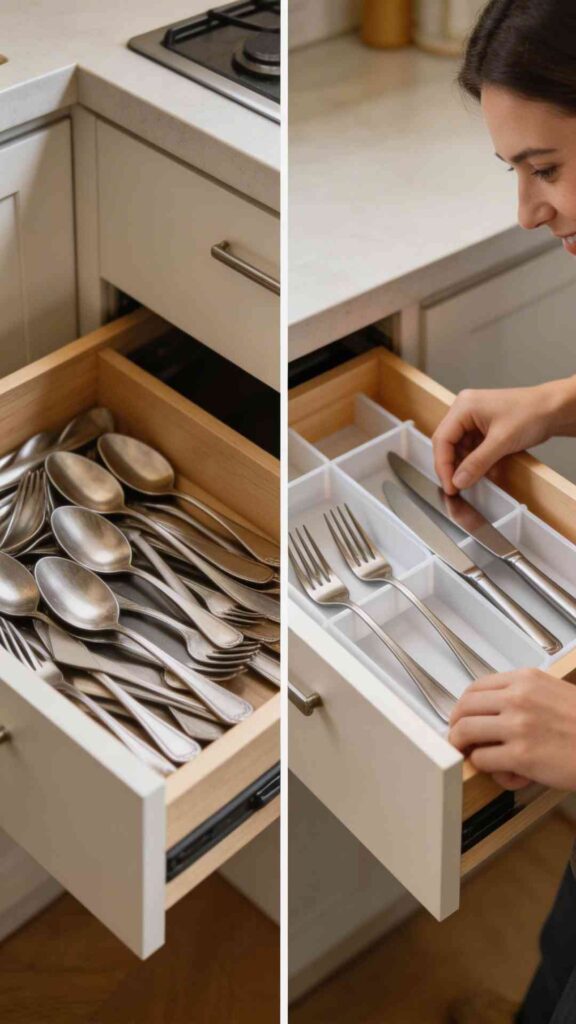
One of the most helpful beginner home organization tips is to avoid trying to fix everything at once. It is tempting to tackle your whole house in a day, but that often leads to frustration. Instead, choose one small area such as a drawer, a shelf, or a corner of a room.
When you focus on a manageable space, you can see progress quickly. This builds confidence and helps you stay motivated. Even organizing a single drawer can make your day feel more in control. Over time, these small wins add up and create noticeable change throughout your home.
2. Declutter Before You Organize
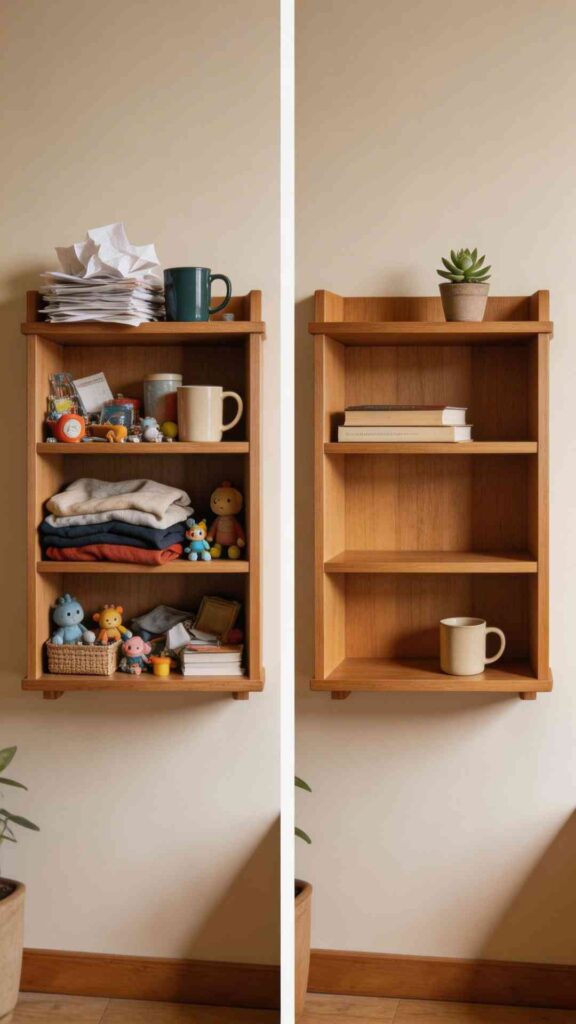
Before you think about storage solutions or containers, take time to remove what you no longer need. This step is often skipped, but it is essential if you want your home organization tips to actually work.
Go through your items and ask yourself if you use them regularly or if they add value to your life. If not, consider donating or letting them go. Keeping fewer items makes it easier to organize what remains. It also helps your space feel calmer and more open.
3. Create Simple Categories
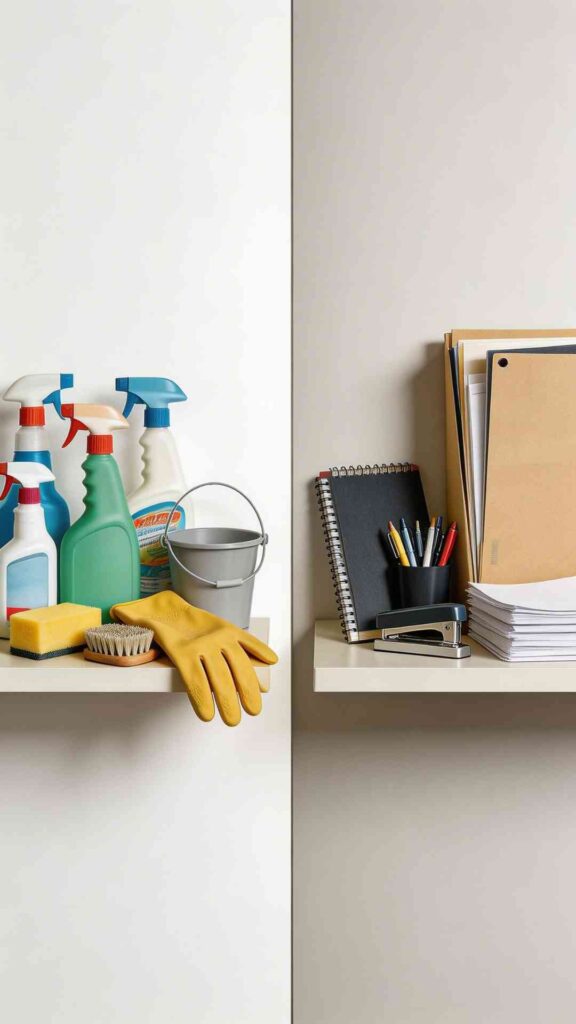
Once you have decluttered, group similar items together. This is one of the most practical and easy organizing tips you can follow. For example, keep all your cleaning supplies in one place or group all your office items together.
Creating categories makes it easier to find what you need and put things back after use. It also helps you notice if you have duplicates. This step brings clarity to your space and reduces the time you spend searching for everyday items.
4. Use What You Already Have
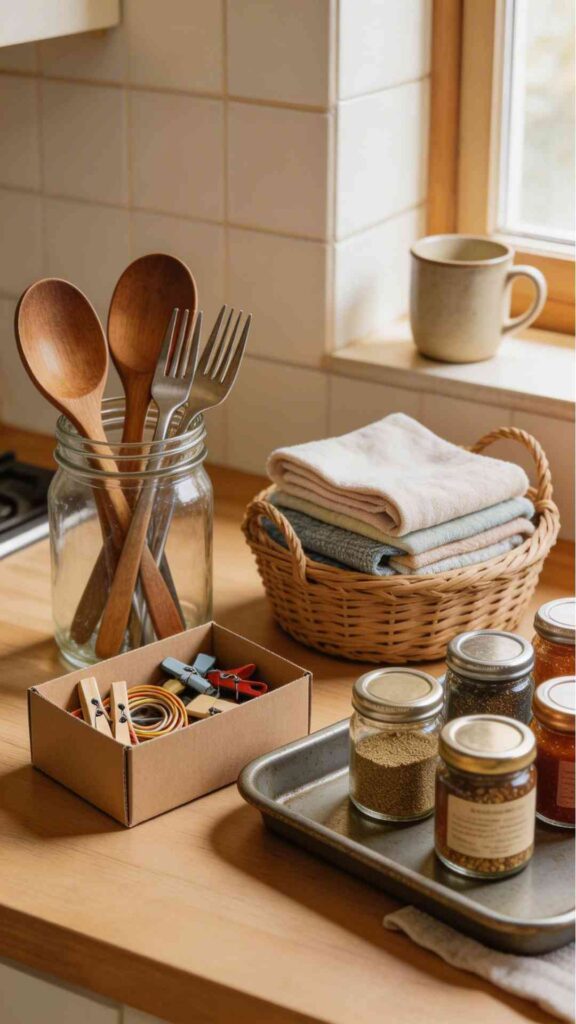
You do not need to buy expensive organizers to get started. Look around your home for items that can be reused. Glass jars, small boxes, baskets, or even trays can work well for organizing.
This approach keeps things simple and saves money. It also allows you to experiment and see what works before investing in anything new. Simple home organization ideas often come from using everyday items in a thoughtful way.
5. Give Everything a Home
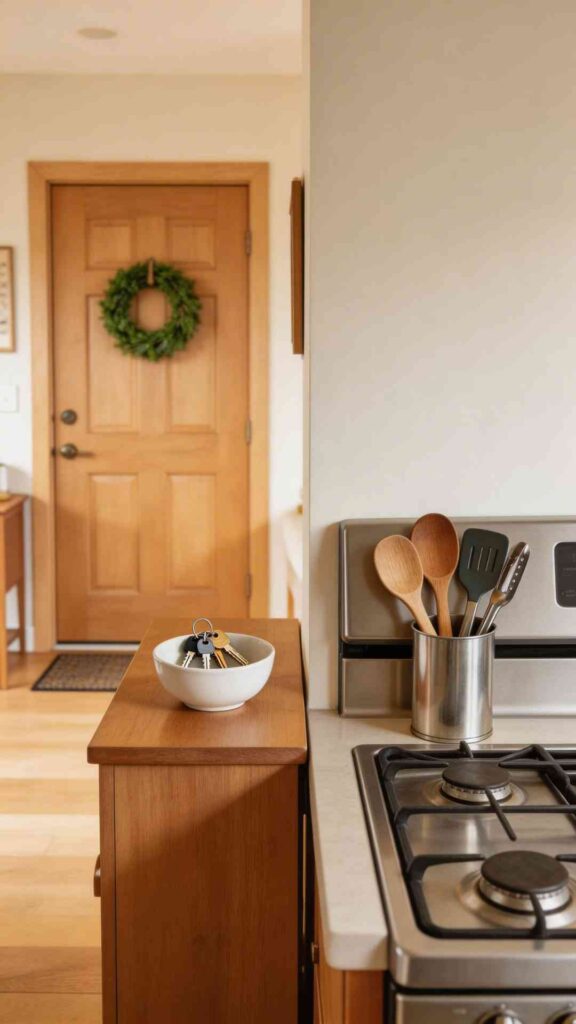
One of the most effective ways to maintain order is to assign a clear place for every item. When everything has a designated spot, it becomes easier to keep your home tidy.
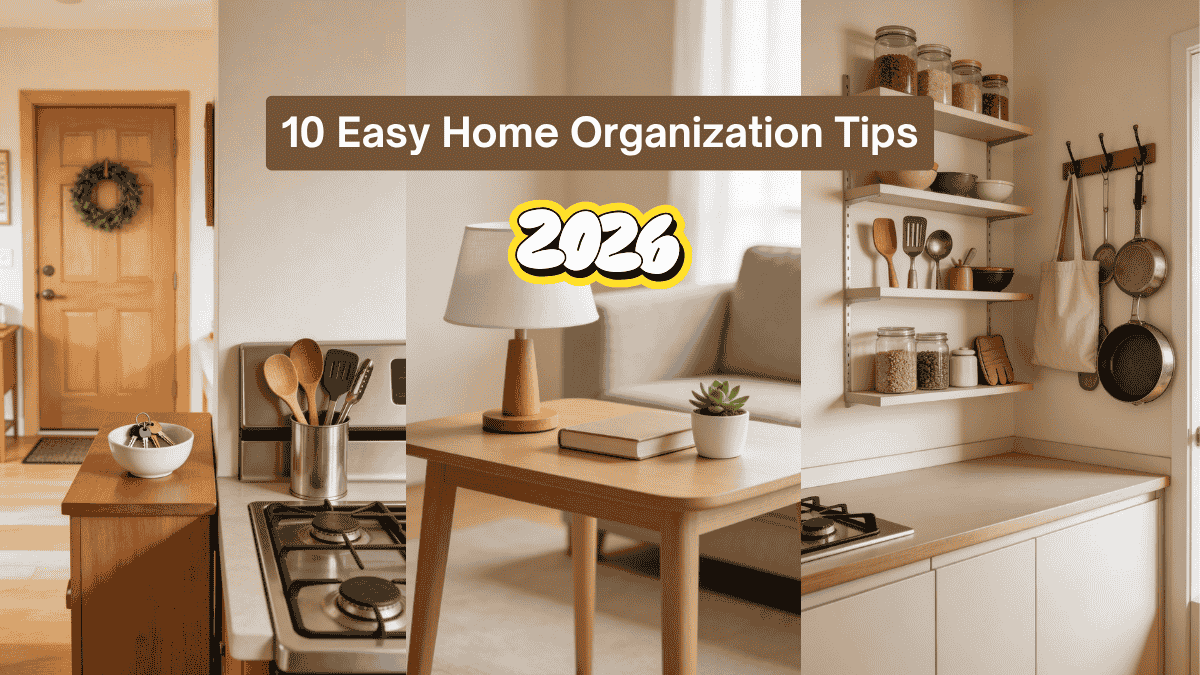
Think about where you naturally use each item and store it nearby. For example, keep keys in a small bowl near the entrance or store cooking tools close to the stove. This habit supports daily routines and makes your space feel more organized without extra effort.
6. Use Vertical Space Wisely
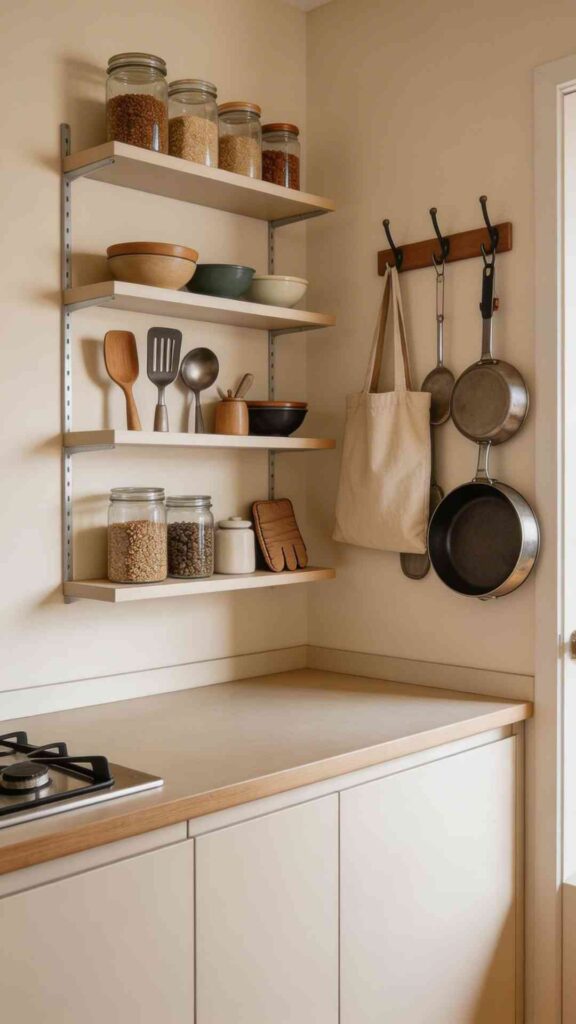
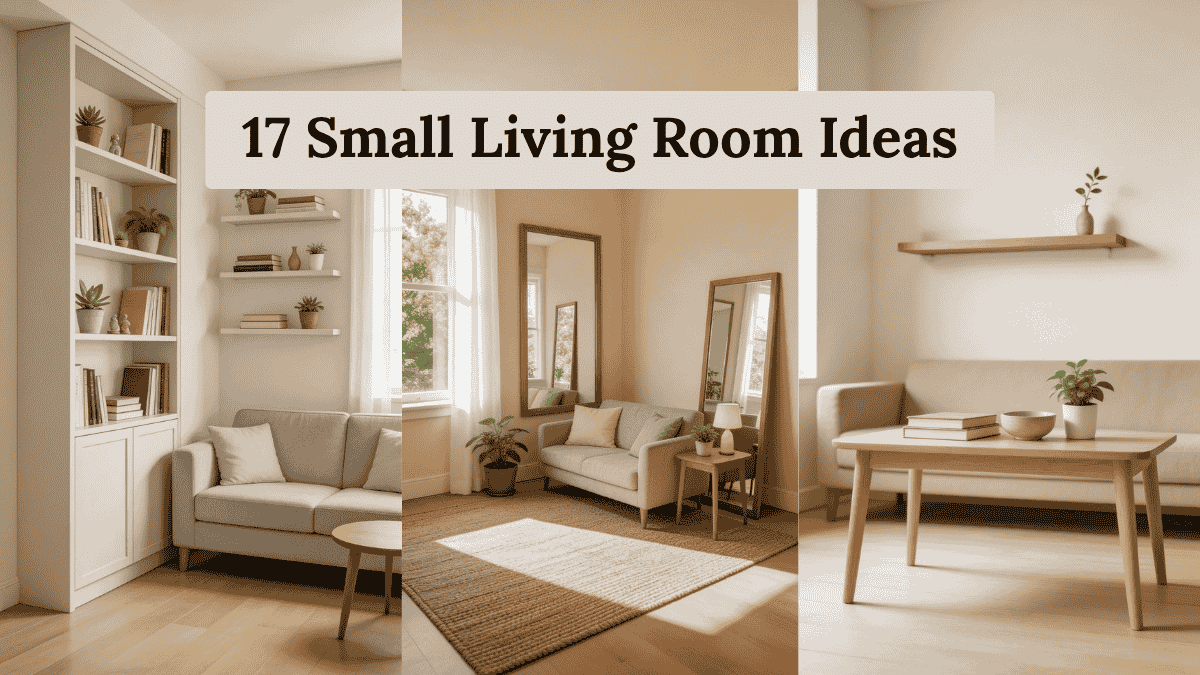
When floor space is limited, look upward. Walls, shelves, and hooks can help you store items without crowding your rooms. This is especially useful in small homes or apartments.
Install simple shelves or use hooks for bags, coats, or kitchen tools. Vertical storage keeps things accessible while freeing up surfaces. It also helps your home feel more open and less cluttered, which is a key part of how to organize your home effectively.
7. Keep Surfaces Clear
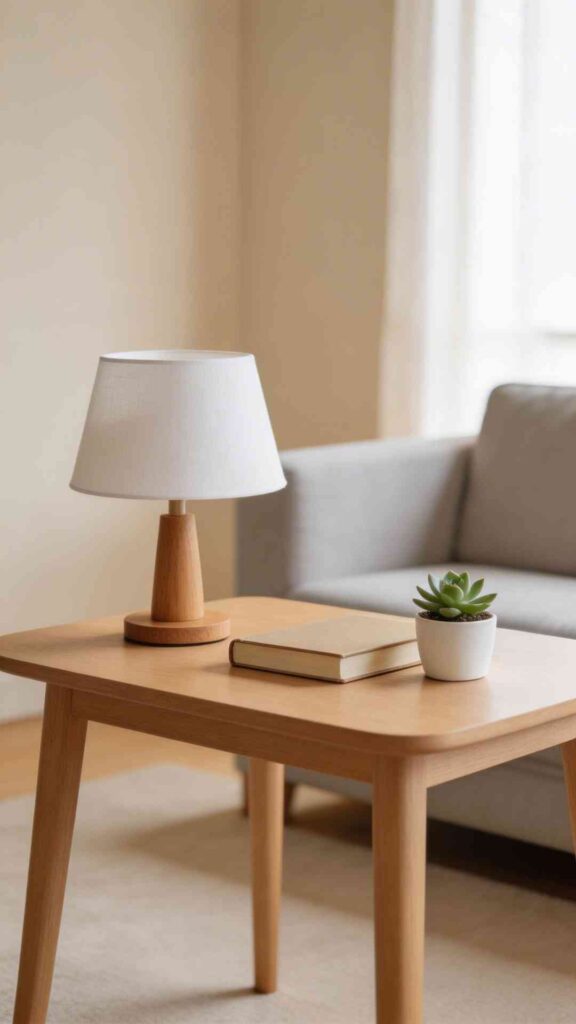
Clear surfaces can make a big difference in how your home feels. When tables, counters, and shelves are not overcrowded, the entire room looks more peaceful.
Try to keep only a few meaningful or useful items on each surface. For example, a lamp, a book, and a small plant can be enough for a side table. This simple change makes cleaning easier and creates a sense of calm in your space.
8. Build Small Daily Habits
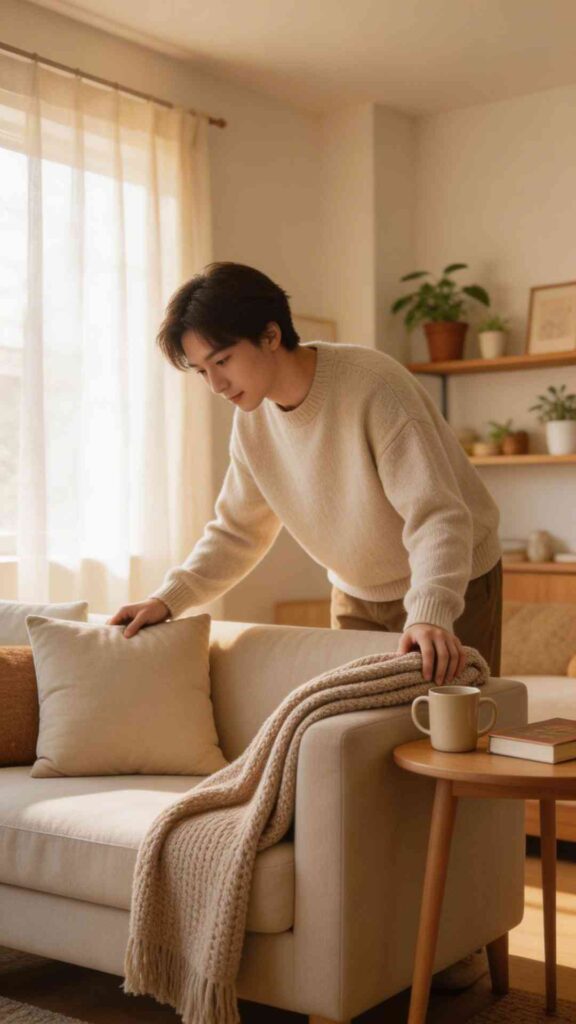
Organization is not just about one big effort. It is about small daily actions that keep things in place. Spend a few minutes each day putting items back where they belong.
You might tidy up before bed or reset your living room in the morning. These habits prevent clutter from building up again. Over time, they become part of your routine and make maintaining your home much easier.
9. Avoid Over Organizing
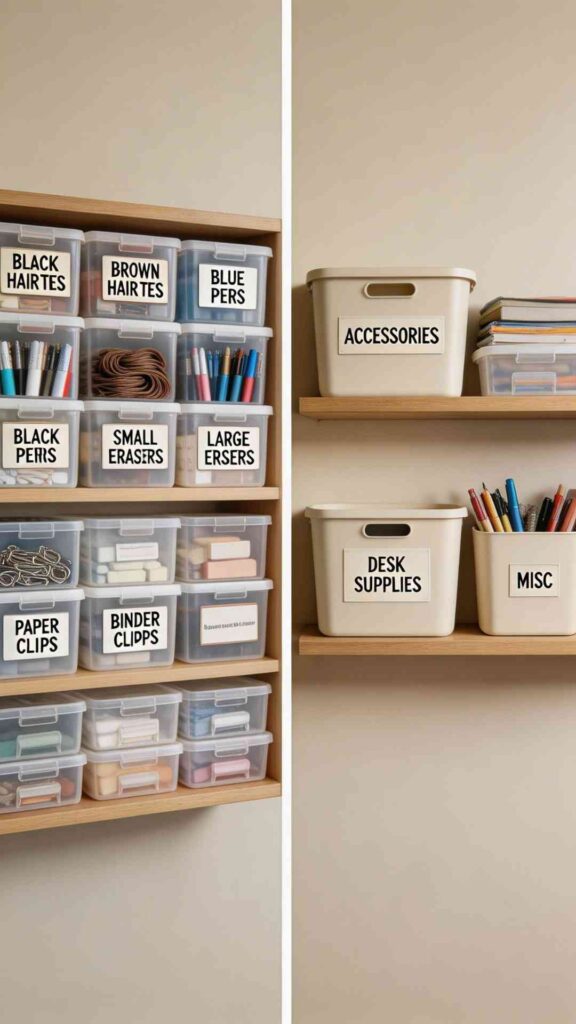
It is easy to get carried away with labels, bins, and complex systems. While these can be helpful, too much structure can make things harder to maintain.
Keep your systems simple and flexible. Choose solutions that match your lifestyle, not a perfect image. Beginner home organization should feel supportive, not restrictive. If something feels too complicated, it is okay to simplify it.
10. Be Patient with the Process
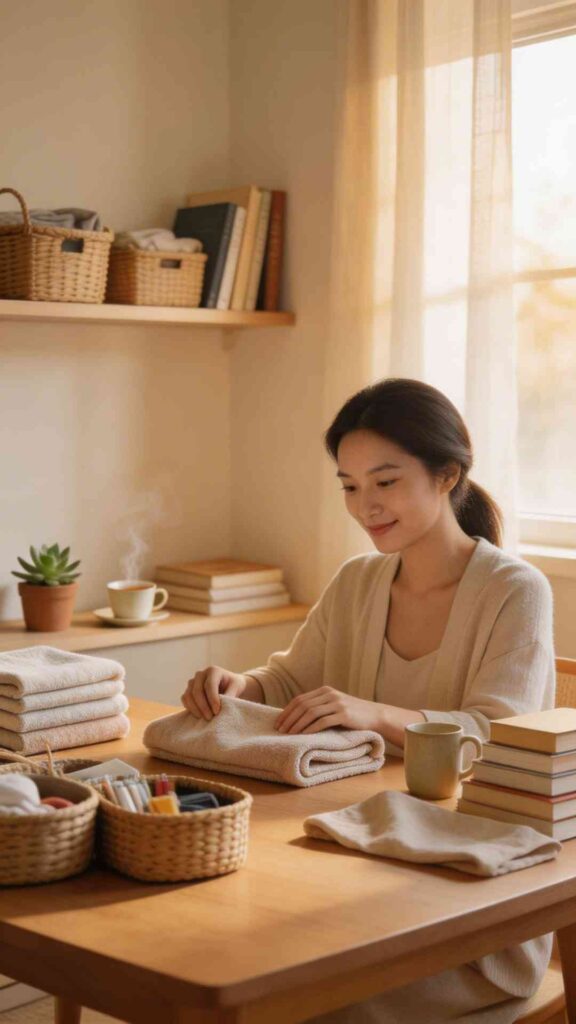
Creating an organized home takes time, and that is completely normal. Your needs may change, and your systems might need adjusting along the way.
Allow yourself to learn what works best for you. Celebrate small progress and be kind to yourself if things do not stay perfect. The goal is not perfection but a home that feels comfortable, functional, and easy to live in.
Conclusion
Getting started with home organization tips does not have to be overwhelming. By focusing on small steps, letting go of what you do not need, and creating simple systems, you can gradually transform your space into something more peaceful and functional. These easy organizing tips are meant to support your everyday life, not complicate it.
As you begin this process, remember that every small effort counts. You are not just organizing your home, you are creating a space that feels easier to live in and more aligned with your needs. Take your time, trust the process, and enjoy the quiet satisfaction that comes with a well organized home.