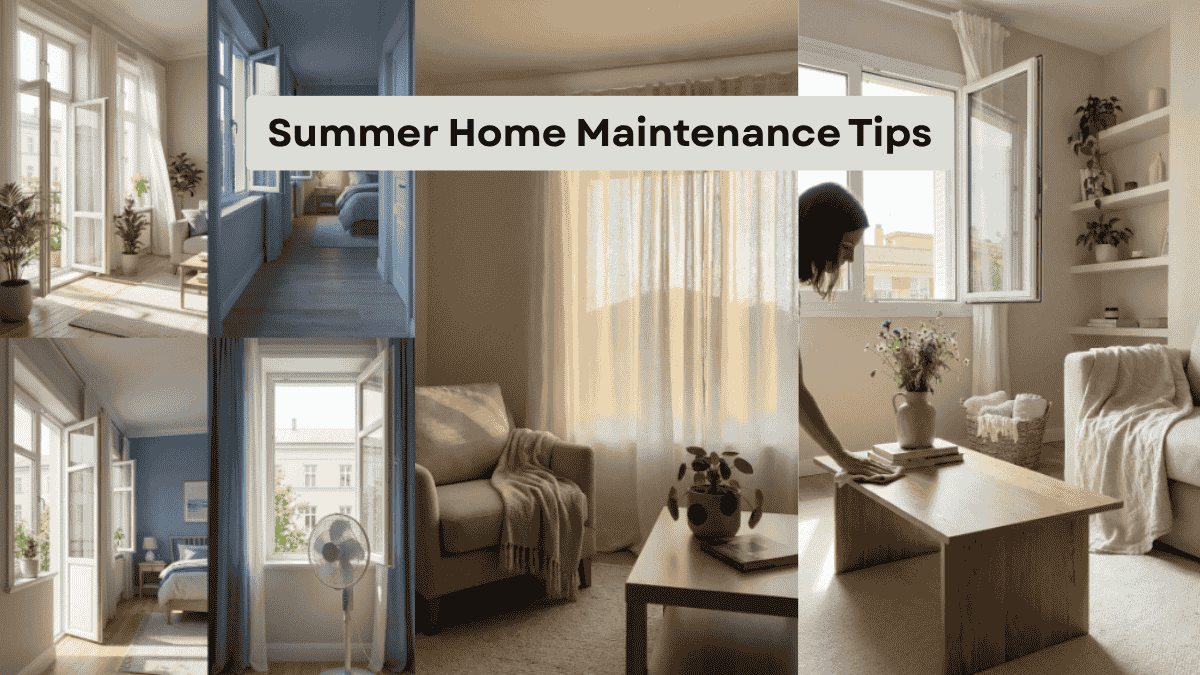
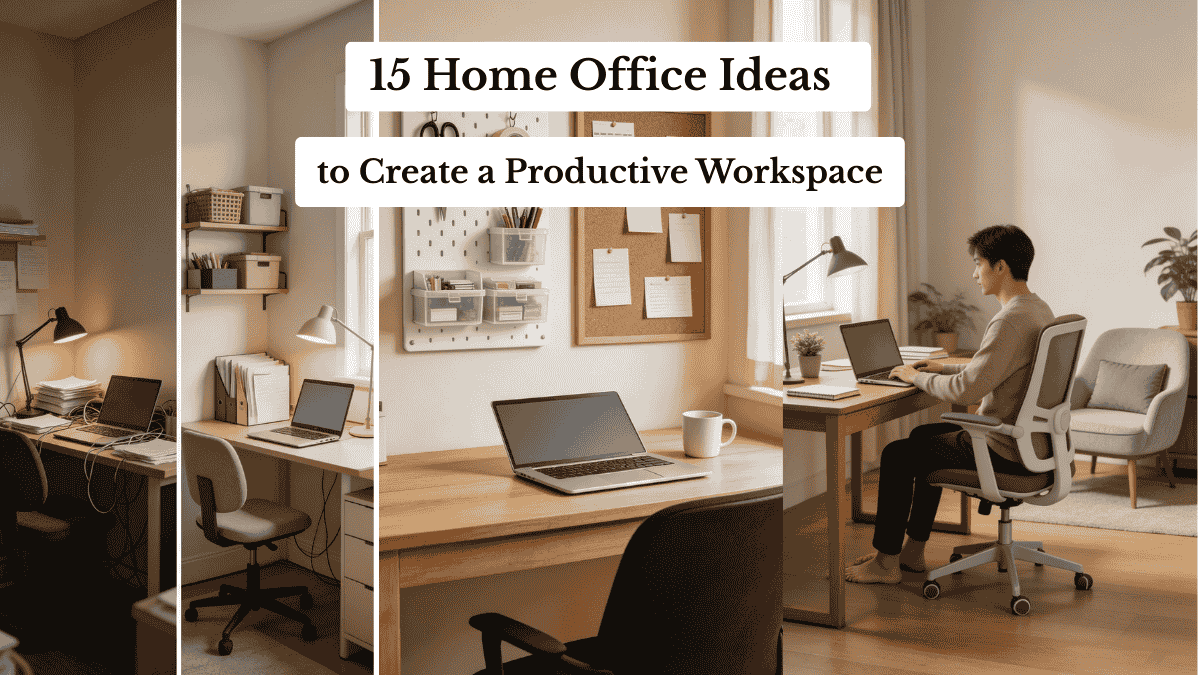
Working from home sounds comfortable in theory, but in reality many people end up answering emails from the couch, balancing laptops on kitchen tables, or trying to focus in noisy corners of the house. Over time, that kind of setup can make work feel scattered and exhausting. A thoughtful workspace can make a surprising difference.
The good news is that creating a productive and pleasant work area does not require a large room or expensive furniture. With a few thoughtful adjustments, even a small corner can become a calm and organized place to focus.
In this guide, you will find practical home office ideas that combine comfort, functionality, and style. These workspace ideas for home are designed for real houses and real routines, helping you build a space that supports both productivity and everyday living.
Table of Contents
1. Start With a Dedicated Workspace
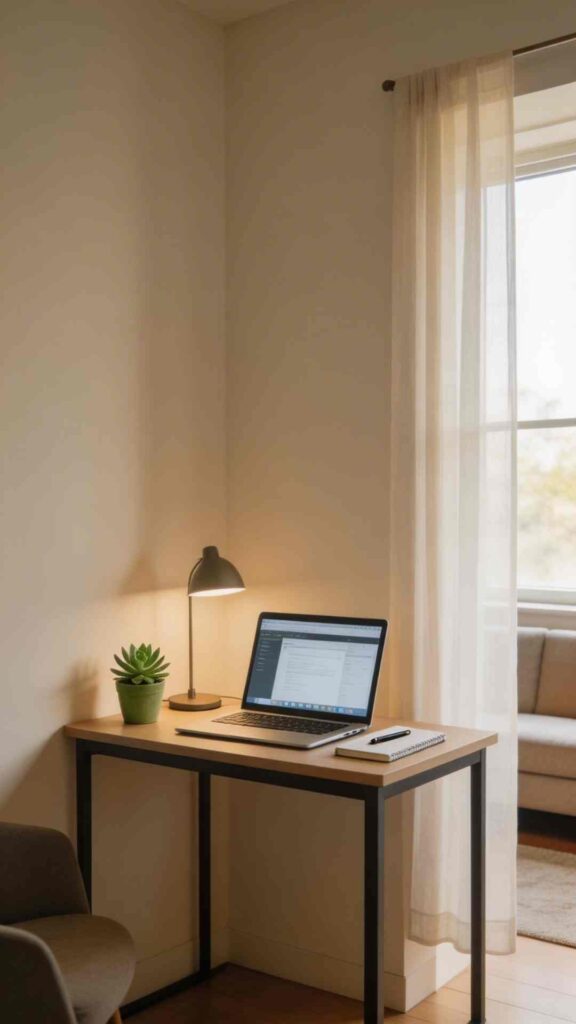
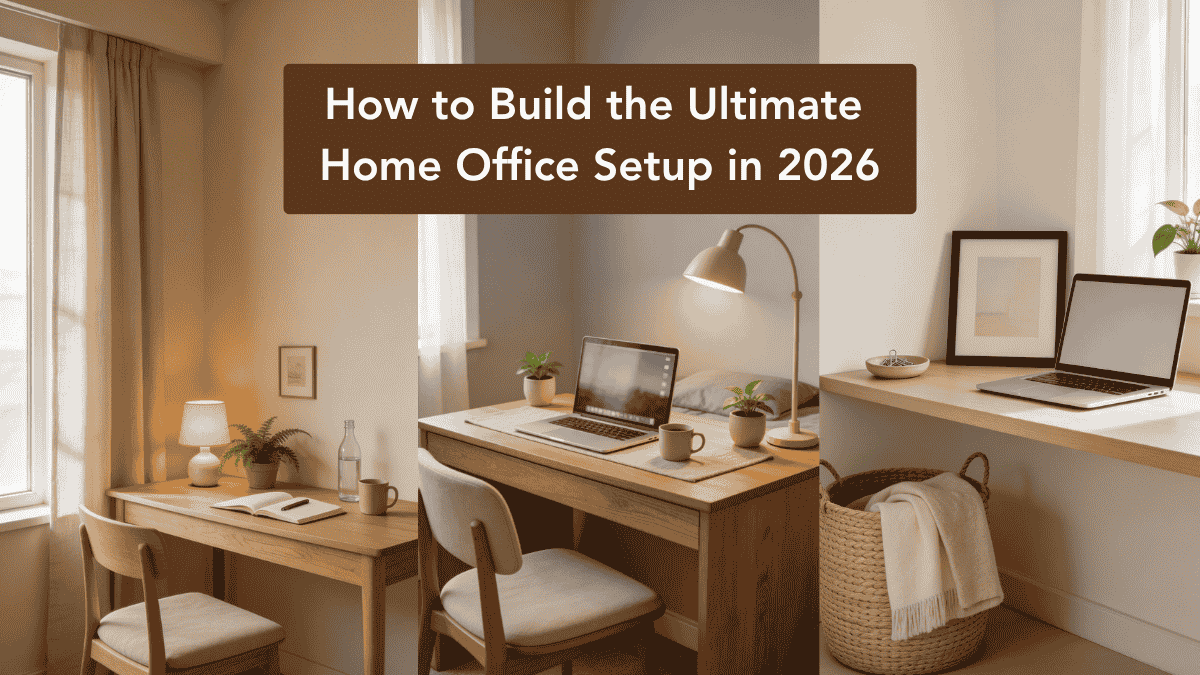
One of the most helpful home office design ideas is also the simplest. Choose a specific place in your home that is only used for work. Even if you do not have a spare room, a small desk in a quiet corner can create the mental boundary your brain needs.
When your workspace stays consistent, it becomes easier to switch into work mode. A corner of the living room, an unused hallway niche, or even a window facing desk can work well. The key is consistency. Avoid working from the bed or couch whenever possible. Over time, having a defined work area helps improve focus and reduces distractions during the day.
2. Use Natural Light Whenever Possible
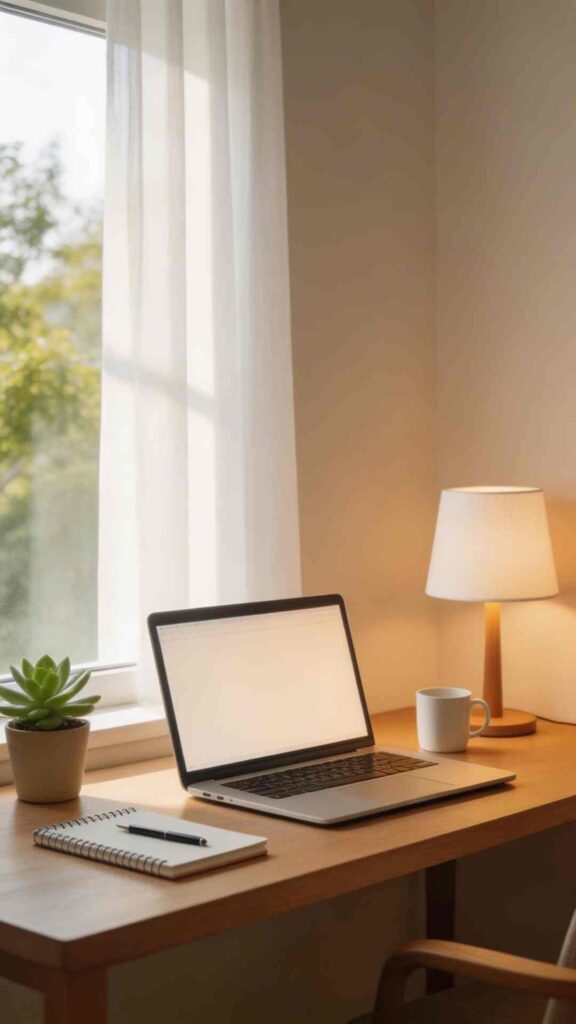
Light affects both mood and concentration. Many of the best home office ideas begin with placing your desk close to natural light.
A window nearby helps reduce eye strain and makes the room feel more open and calm. If possible, position your desk so that daylight comes from the side rather than directly behind the screen. Soft natural light helps maintain energy levels during long work sessions.
If your workspace lacks windows, try adding a warm desk lamp with a soft white bulb. A layered lighting setup creates a comfortable environment that supports both productivity and relaxation.
3. Choose a Comfortable Chair That Supports Your Posture
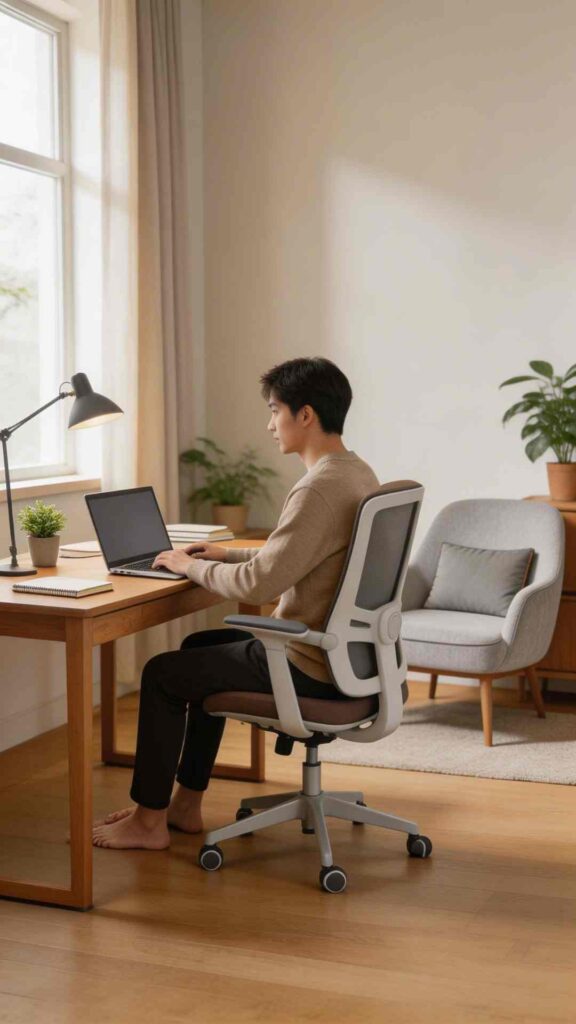
People often focus on the desk and forget about the chair, yet the chair is where you spend most of your day. One of the most practical workspace ideas for home is investing in seating that properly supports your body.
Look for a chair that keeps your feet flat on the floor and your back supported. Adjustable height and gentle cushioning can make long hours much easier on your body. If a traditional office chair does not match your home decor, consider a simple upholstered chair with a small lumbar cushion.
Comfort helps maintain concentration and reduces fatigue during busy workdays.
4. Keep the Desk Surface Clear
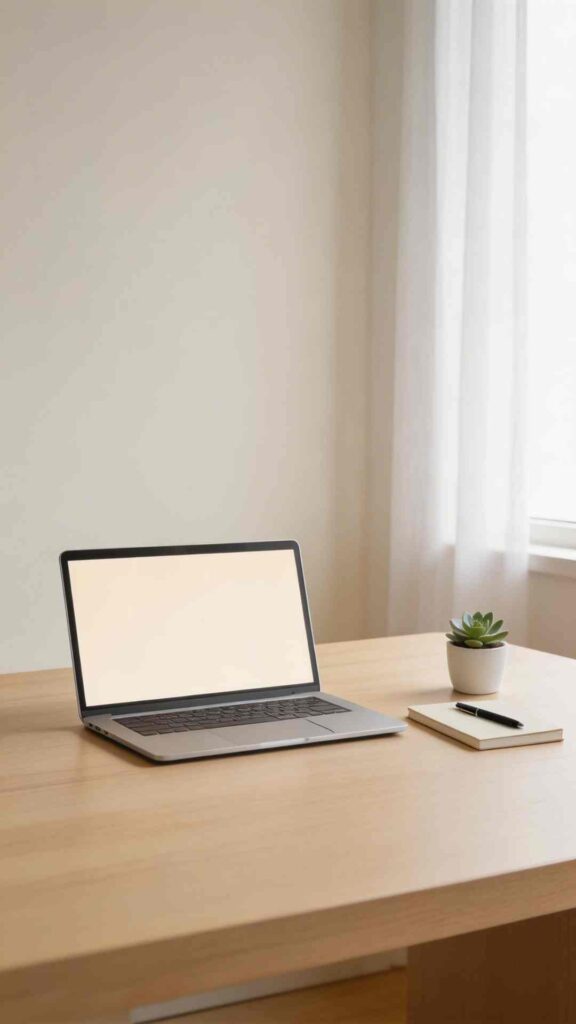
Clutter can quickly drain your focus. Many modern home office ideas focus on simplicity and visual calm.
Try limiting your desk to only the essentials such as a laptop, notebook, and perhaps one decorative item like a small plant or ceramic pen holder. When the surface stays clean, it becomes easier to think clearly and work efficiently.
A helpful habit is resetting the desk at the end of each workday. Putting items back in their place creates a fresh start the next morning.
5. Add Storage That Blends With Your Home
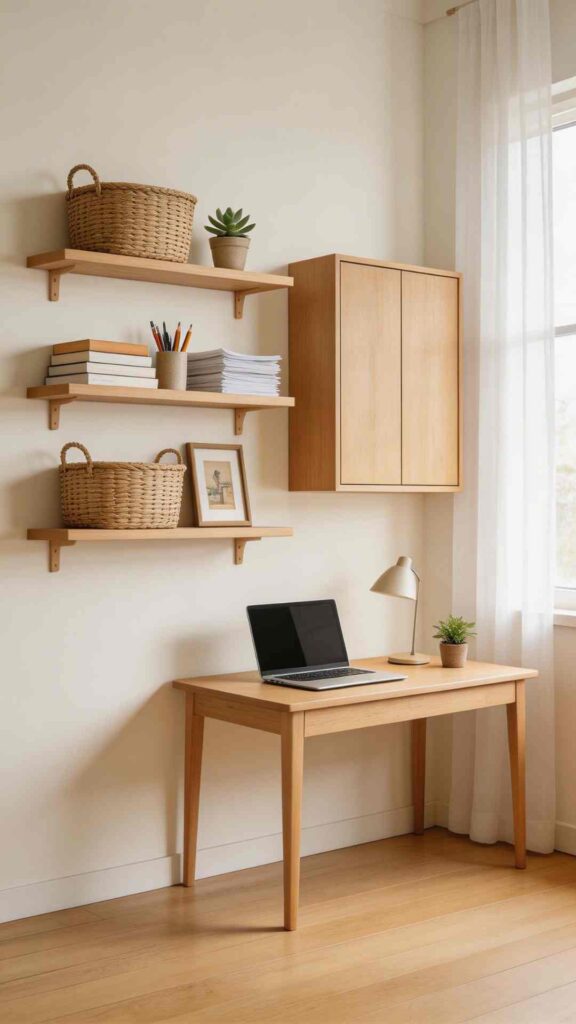
Storage does not have to feel corporate or bulky. One of the most useful home office ideas is incorporating storage that fits naturally into the style of your home.
Floating shelves, woven baskets, or small wooden cabinets can hold documents, books, and office supplies without making the space feel crowded. Vertical storage is especially helpful in smaller homes because it keeps the floor area open.
Keeping supplies organized allows you to find what you need quickly and prevents your workspace from becoming overwhelming.
6. Bring in a Few Natural Elements
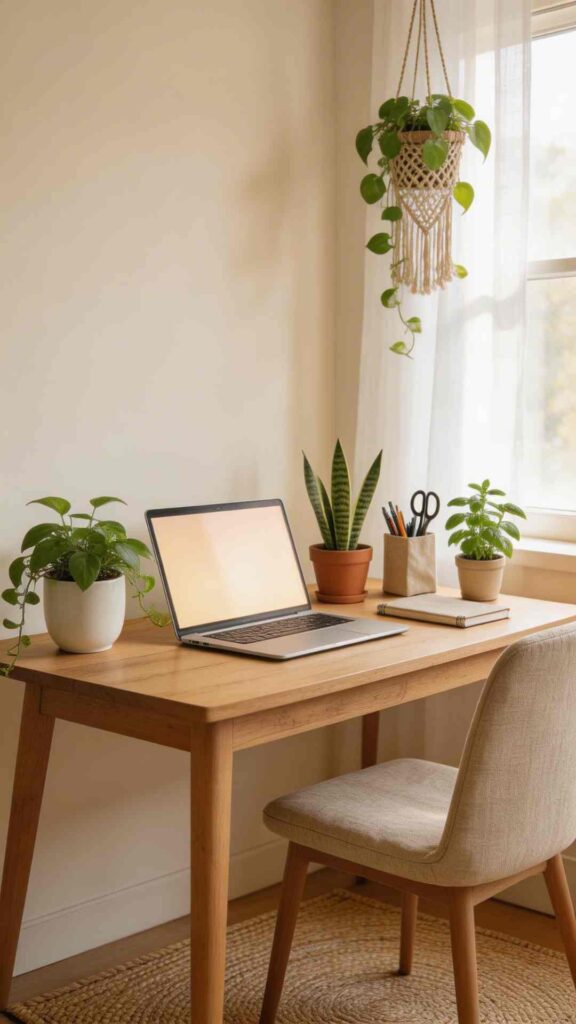
A workspace should feel alive and welcoming. Plants, wood textures, and natural fabrics add warmth that makes a home office feel comfortable rather than sterile.
Small indoor plants such as pothos, snake plants, or herbs can brighten the desk area. Natural materials like wooden desks, linen organizers, or ceramic containers also add a soft and grounded feeling.
These subtle design touches often appear in the best home office ideas because they create a calming atmosphere that encourages longer periods of focus.
7. Create a Simple Background for Video Calls
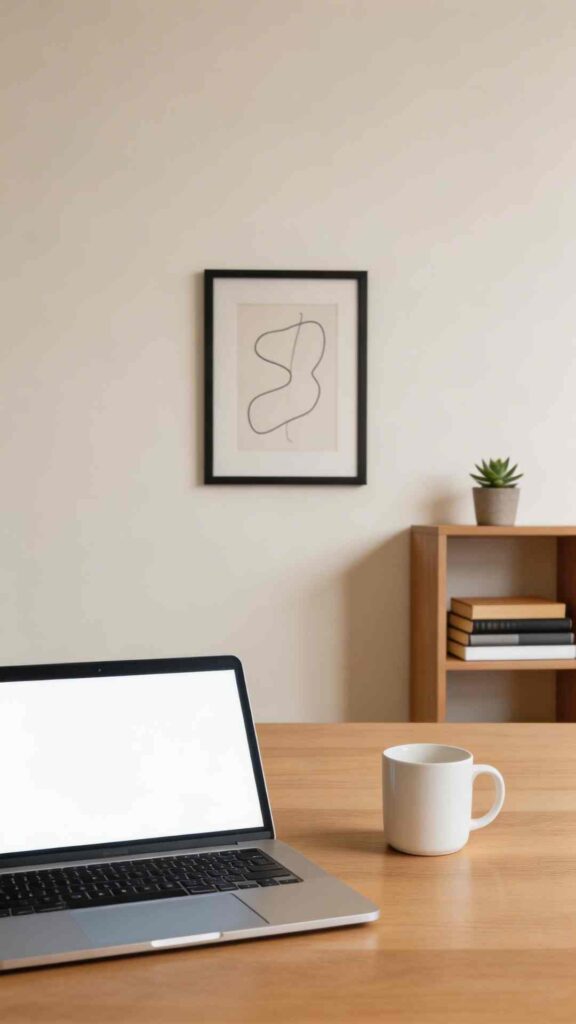
With remote work becoming common, your background matters more than ever. One practical home office design idea is designing a clean and simple backdrop behind your desk.
A neutral wall, a small bookshelf, or a framed print can create a pleasant background without looking staged. Avoid placing the desk where clutter or busy areas appear behind you during calls.
This small adjustment helps meetings feel more professional and reduces visual distractions for both you and the people you are speaking with.
8. Use Soft Colors That Support Focus
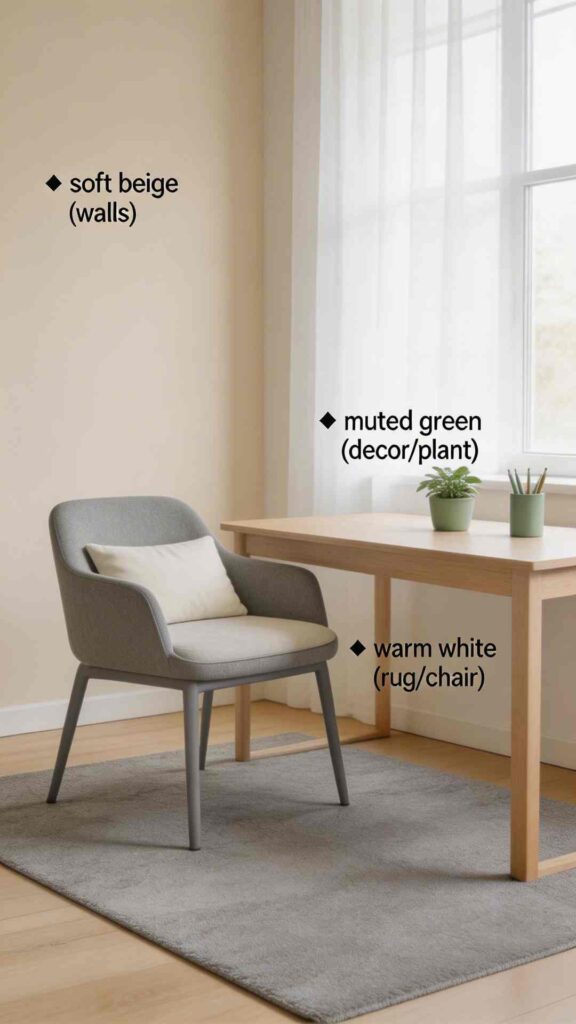
Color has a quiet influence on how a room feels. Many modern home office ideas use soft tones like warm white, light beige, soft grey, or muted green.
These colors help reduce visual noise and create a peaceful working environment. Bright or overly bold colors can sometimes feel stimulating or distracting during long work hours.
Adding color through textiles such as cushions, rugs, or desk accessories keeps the space interesting while maintaining a calm overall look.
9. Add a Small Personal Touch
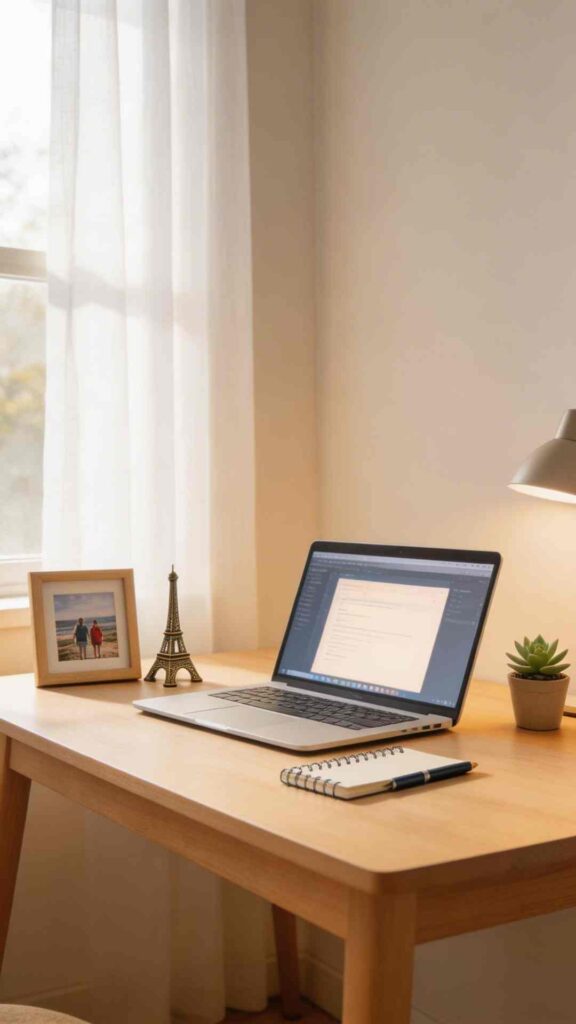
A workspace should still reflect who you are. One of the simplest workspace ideas for home is adding a few personal details that make the space feel inviting.
A favorite photograph, a travel souvenir, or a small framed quote can remind you of meaningful moments. The key is balance. Too many decorative items can quickly create clutter.
Just one or two thoughtful pieces help the workspace feel warm and personal without interfering with concentration.
10. Separate Work From Relaxation Areas
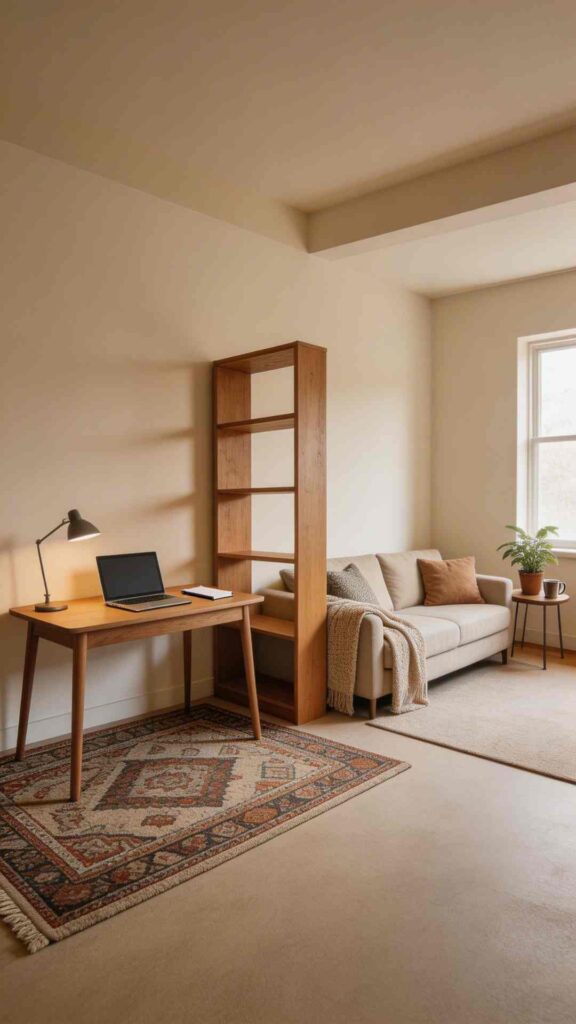
One common mistake when working at home is allowing work to spread into every room. A helpful home office idea is creating a clear boundary between work zones and relaxation areas.
Even in small homes, using a small desk, divider shelf, or rug can visually define your workspace. When the workday ends, stepping away from that area signals that it is time to rest.
This boundary helps maintain work life balance and prevents burnout from constant work visibility.
11. Use Wall Space for Organization
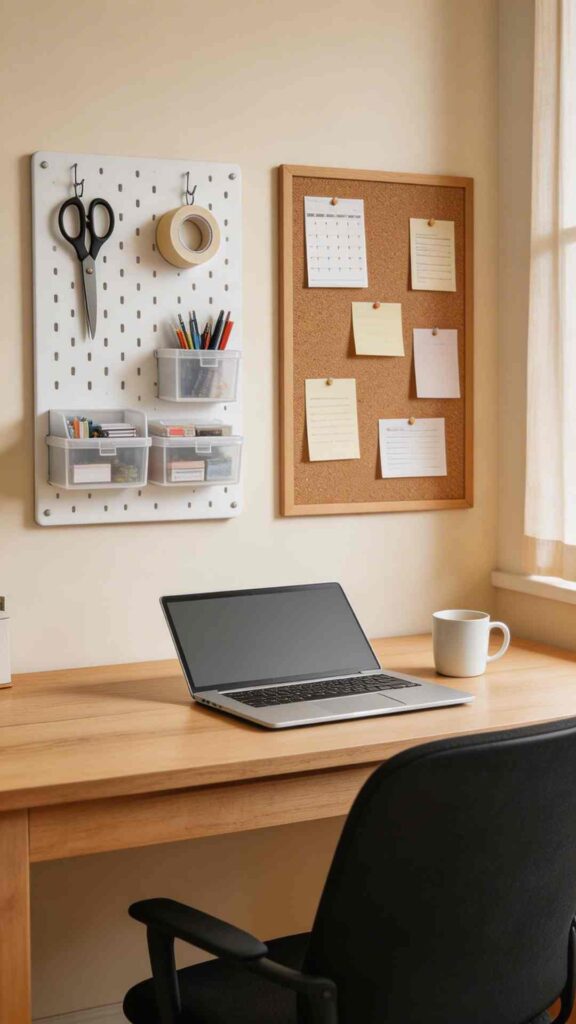
Walls can become powerful tools in a productive workspace. Pegboards, pin boards, or wall organizers help keep important notes and reminders within reach.
Instead of stacking papers across the desk, vertical organization keeps the surface clear. This is one of the most practical home office design ideas for smaller spaces.
Keeping information visible but organized reduces stress and makes planning your day easier.
12. Introduce a Comfortable Rug
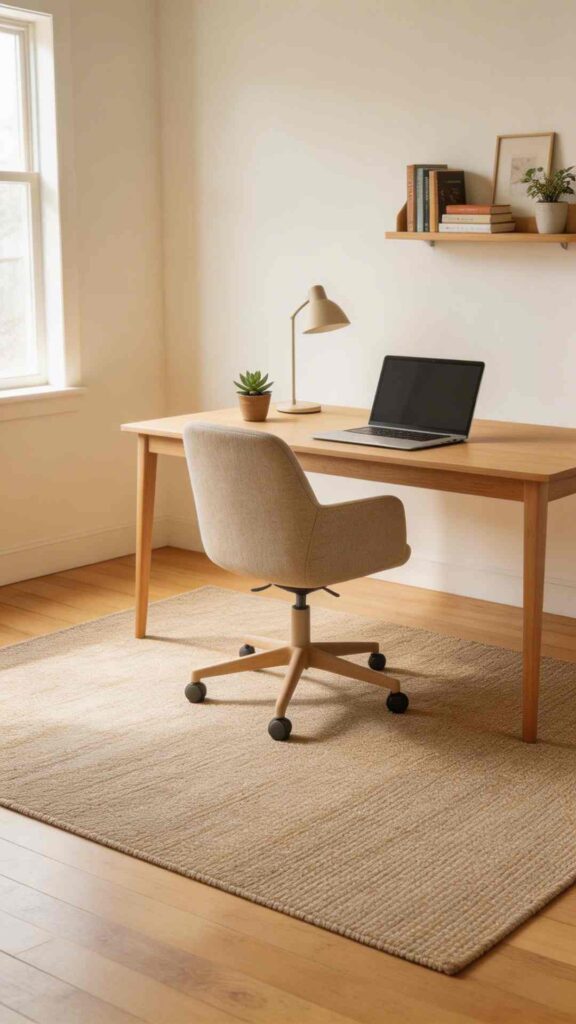
A rug may seem like a decorative detail, but it can change how a workspace feels. Rugs soften the room and make the area feel intentionally designed.
Natural materials like cotton or wool work well in home offices because they bring warmth without feeling heavy. A simple neutral rug also helps define the work zone within an open room.
This small addition often appears in the best home office ideas because it quietly improves comfort and visual balance.
13. Keep Technology Organized
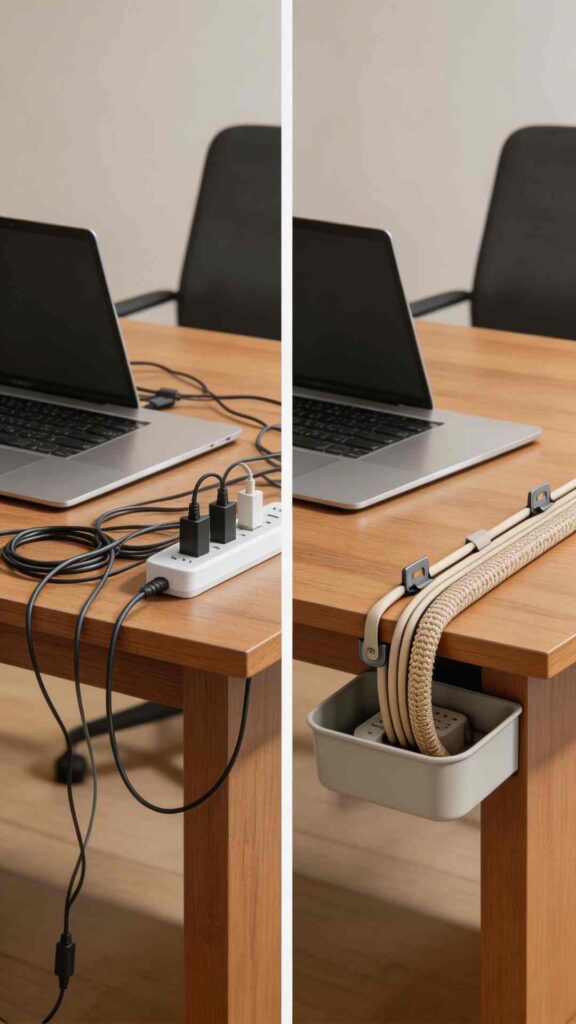
Messy cables can quickly make a desk feel chaotic. A small cable organizer or under desk tray helps keep wires hidden and tidy.
Simple cable clips, woven cable sleeves, or small boxes can keep chargers and power strips out of sight. When technology stays organized, the workspace looks calmer and feels easier to use.
These small details often make the biggest difference in everyday productivity.
14. Consider a Standing Option
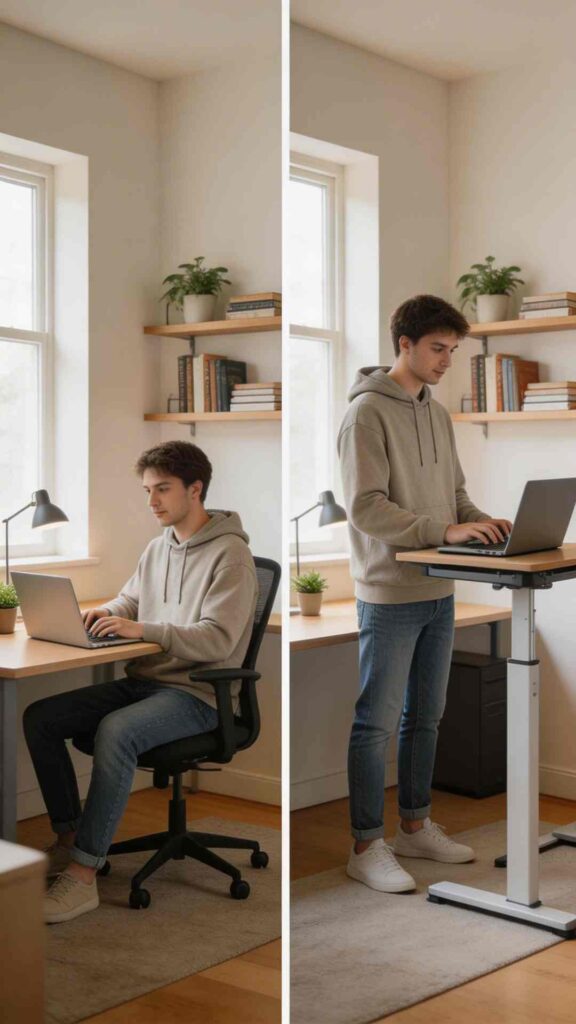
If you spend long hours sitting, adding the option to stand can improve comfort. A simple laptop riser or adjustable desk converter can give you flexibility throughout the day.
Standing occasionally encourages movement and can refresh your focus. Many modern home office ideas include adjustable setups that allow both sitting and standing positions.
Even short standing sessions during the day can help prevent stiffness and fatigue.
15. Let the Workspace Evolve Over Time
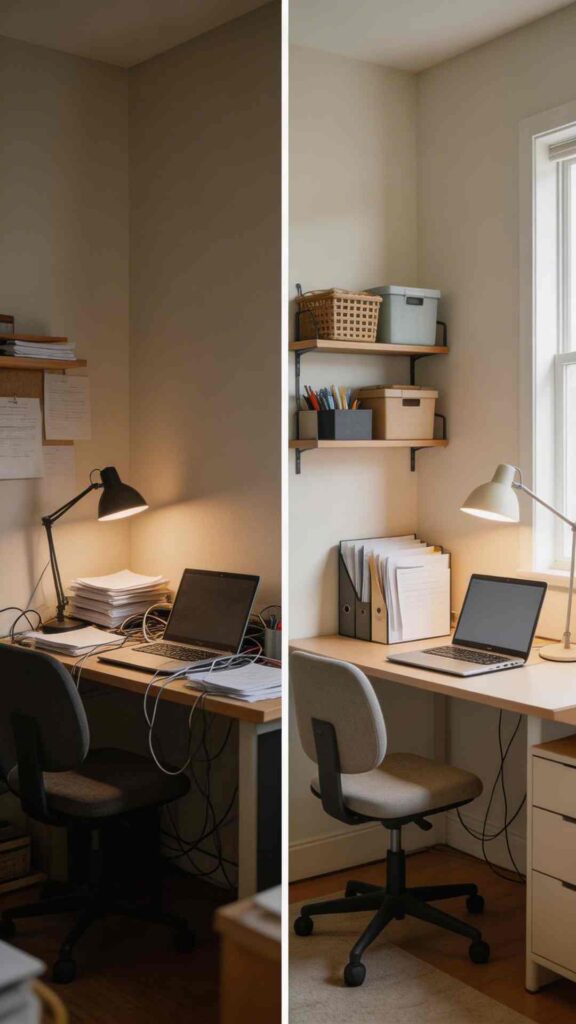
Your needs may change as your work routine develops. A workspace that works well today may need adjustments later.
Pay attention to what feels comfortable and what feels frustrating. Maybe you need more storage, better lighting, or a slightly larger desk. Gradual changes help you refine your environment.
The most effective home office ideas are the ones that grow with your daily habits and personal comfort.
Also See: 12 Monthly Home Maintenance Tasks to Prevent Costly Repairs
Frequently Asked Questions
What is the best place for a home office?
A quiet corner with good natural light and minimal distractions works best.
How can I create a home office in a small space?
Use a compact desk, wall shelves, and keep the setup simple and organized.
What furniture is essential for a home office?
A comfortable chair, functional desk, and proper lighting are the basics.
How can I make my home office look good for video calls?
Keep the background clean with a simple wall, shelf, or framed art.
What colors are best for a home office?
Soft neutral colors like white, beige, grey, or light green help create a calm workspace.
Conclusion
Creating a productive workspace at home is less about perfection and more about thoughtful choices. A quiet corner, comfortable chair, gentle lighting, and simple organization can transform the way your day feels.
The best home office ideas focus on balance. They support concentration while still feeling warm and welcoming. By combining practical design choices with small personal touches, your workspace can become a place where focus comes naturally.
Start with one or two changes that feel manageable. Over time, these small improvements can turn any corner of your home into a calm and effective workspace that supports both your work and your well being.