A home should feel calm, comforting, and secure. But in the middle of daily life, small safety details can quietly slip through the cracks. A loose railing, an unnoticed leak, or a faulty smoke detector may not seem urgent until something goes wrong. That is where thoughtful, consistent care makes all the difference.
These home safety maintenance tips are designed to help you stay ahead of problems in a simple and practical way. You do not need a full renovation or expensive upgrades. With a steady routine and a clear home safety checklist, you can prevent home accidents and create a space where your family feels truly at ease.
Table of Contents
Start with a Simple Home Safety Inspection
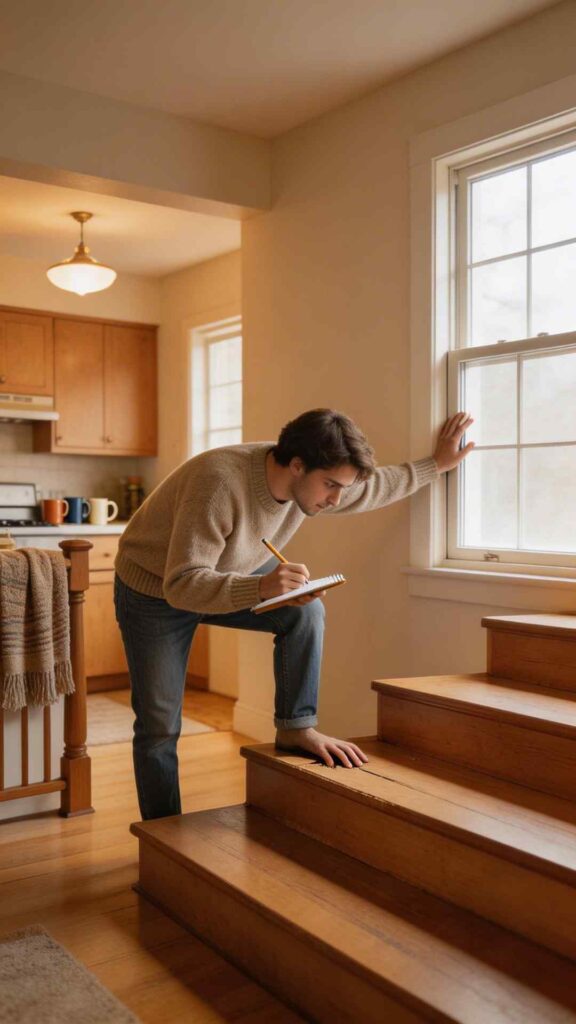
A regular home safety inspection does not have to be overwhelming. Think of it as a gentle walk through your home with fresh eyes. Look for small signs that something may need attention. This could be a flickering light, a loose step, or a window that does not close properly.
Start room by room and take notes as you go. Focus on areas you use daily such as the kitchen, bathroom, and entryways. Over time, this habit becomes second nature and helps you catch potential risks early. It is one of the easiest ways to maintain a safe and comfortable environment.
Keep Electrical Systems Safe and Updated
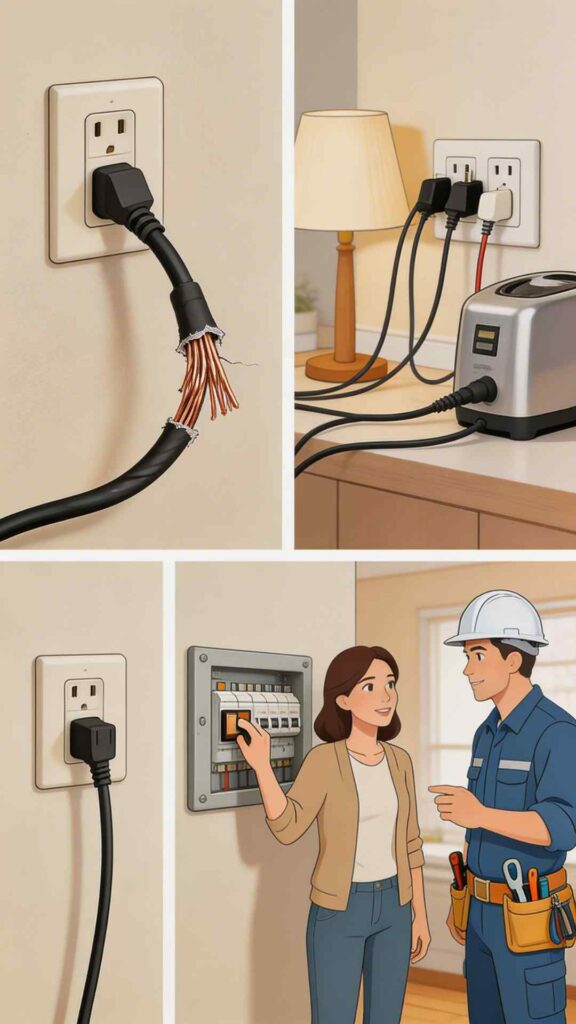
Electricity is essential, but it also requires care. Worn out wires, overloaded sockets, or outdated systems can increase the risk of fire. As part of your household safety tips routine, check that cords are not frayed and plugs fit securely into outlets.
If you rely heavily on extension boards, consider spreading out your appliances more evenly. It is also worth testing your circuit breakers occasionally. If something feels uncertain, it is always wise to consult a professional. A little attention here goes a long way in preventing serious home accidents.
Make Your Kitchen Safer for Everyday Use
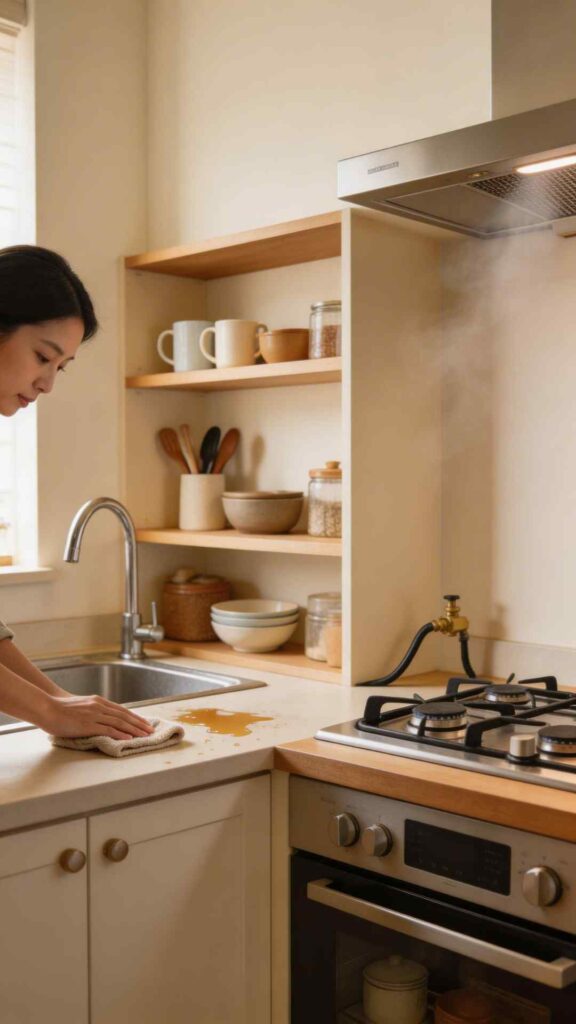
The kitchen is often the busiest part of the home, and it is also where many accidents happen. Simple changes can make a noticeable difference. Keep frequently used items within easy reach to avoid unnecessary stretching or climbing.
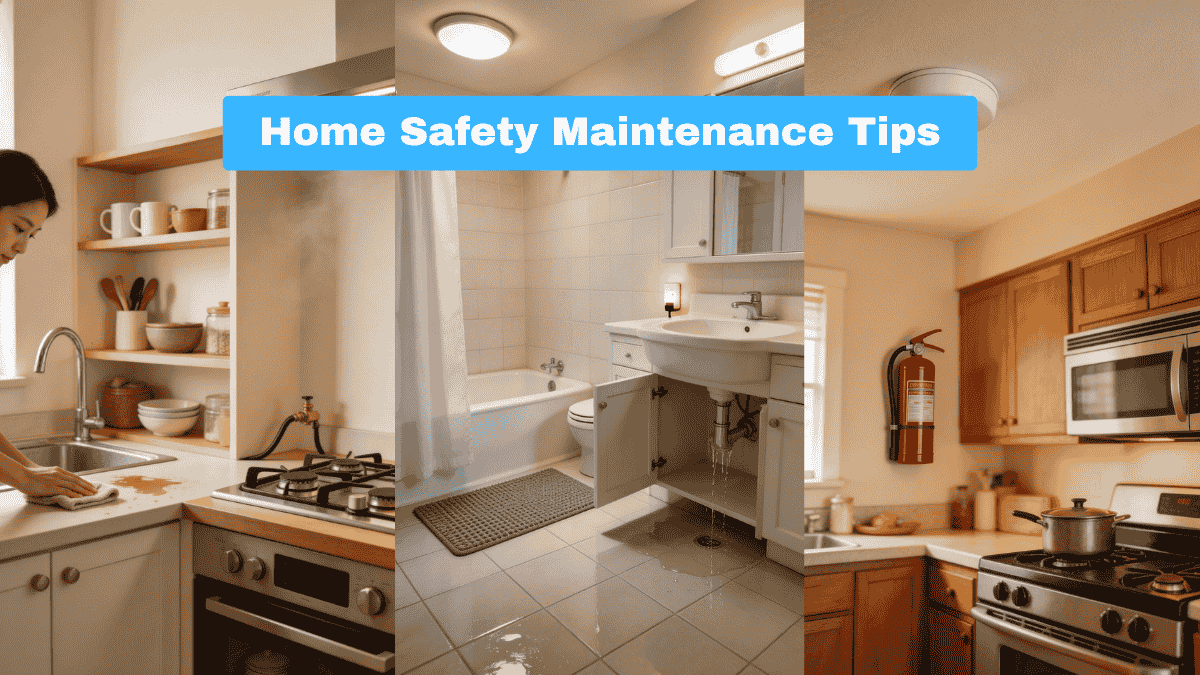
Wipe up spills quickly to prevent slips, especially near the sink and stove. It also helps to check gas connections and ensure proper ventilation. A well maintained kitchen not only feels more pleasant but also supports safer daily routines for everyone in the household.
Bathroom Safety That Often Gets Overlooked
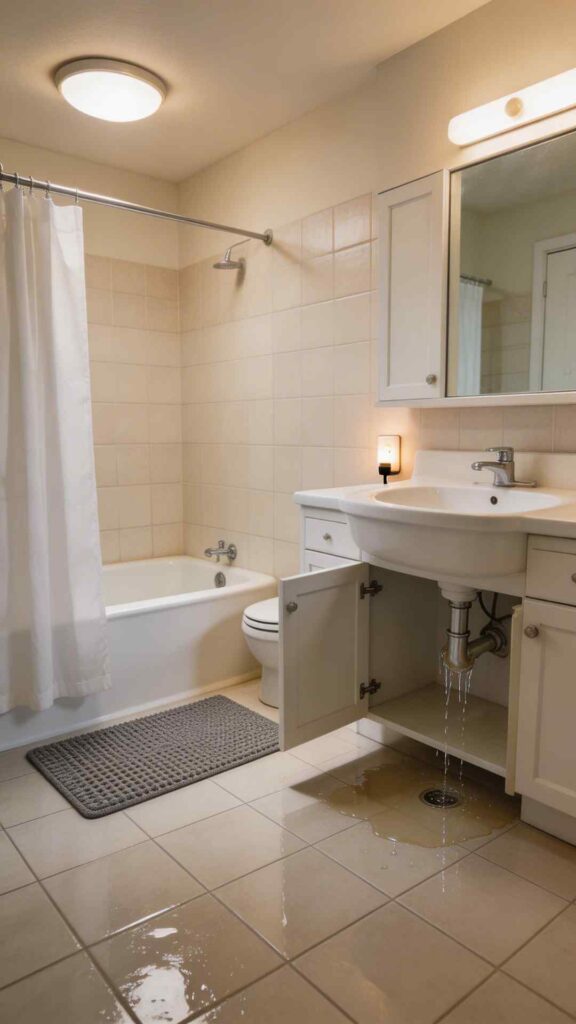
Bathrooms can be surprisingly risky, especially when surfaces become wet. One of the most helpful home safety maintenance tips is to focus on slip prevention. Adding a simple non slip mat near the shower or bathtub can make a big difference.
Check for leaks around taps and under sinks, as these can lead to hidden damage over time. Good lighting is also important here. A well lit bathroom helps reduce the chance of slips or missteps, especially during early mornings or late nights.
Explore More:
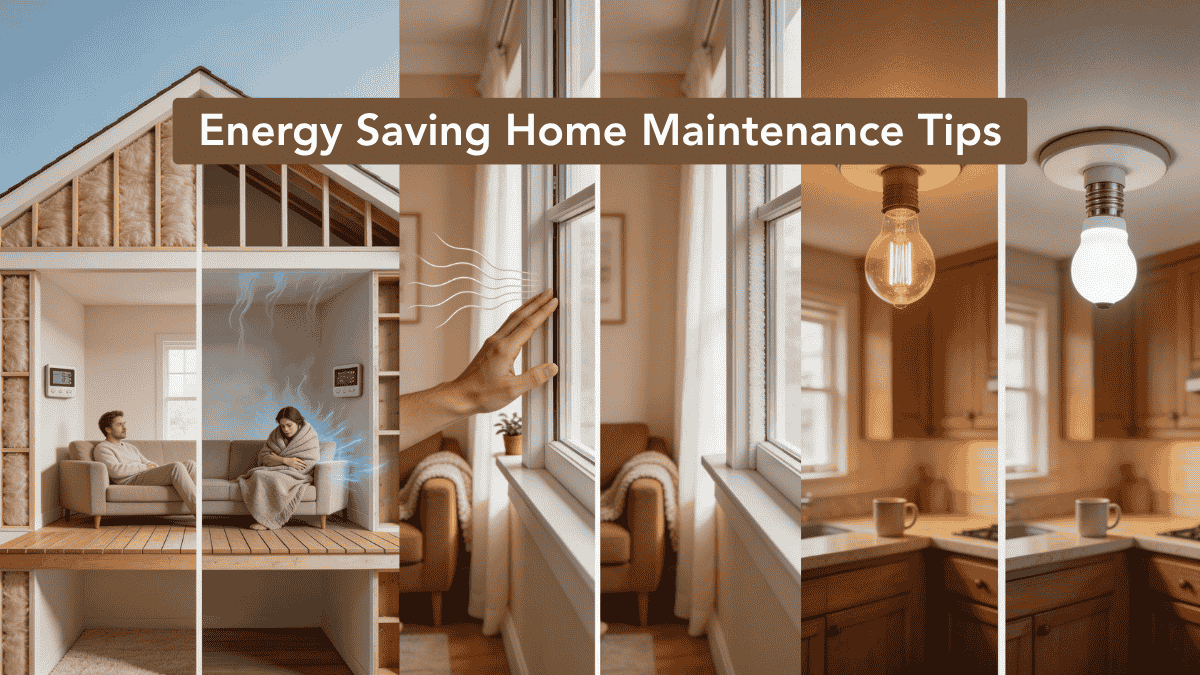
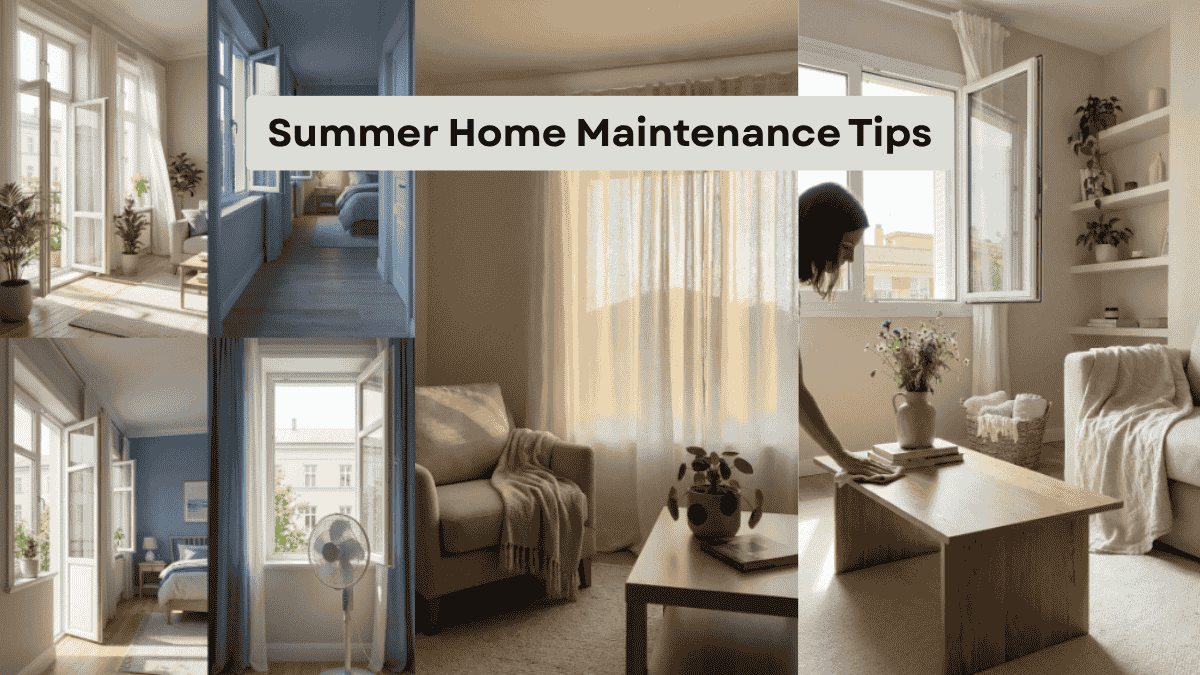
- Summer Home Maintenance Tips: Simple Checklist for a Cooler and Comfortable Home
- Kids Room Organization Ideas That Make Everyday Life Easier
Secure Doors and Windows Properly
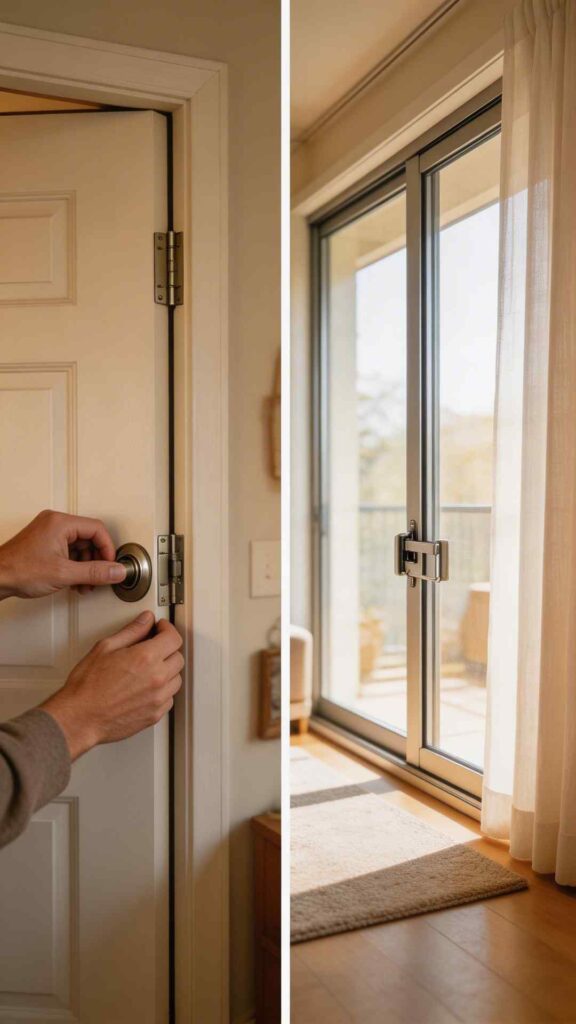
Doors and windows play a key role in both safety and peace of mind. A proper home safety checklist should include checking locks, hinges, and frames regularly. Even a small misalignment can affect how securely a door closes.
If you have sliding windows, make sure they move smoothly but lock firmly. Curtains or blinds can also add a sense of privacy without compromising natural light. Taking care of these details helps create a home that feels both open and secure.
Reduce Fall Risks Around the House
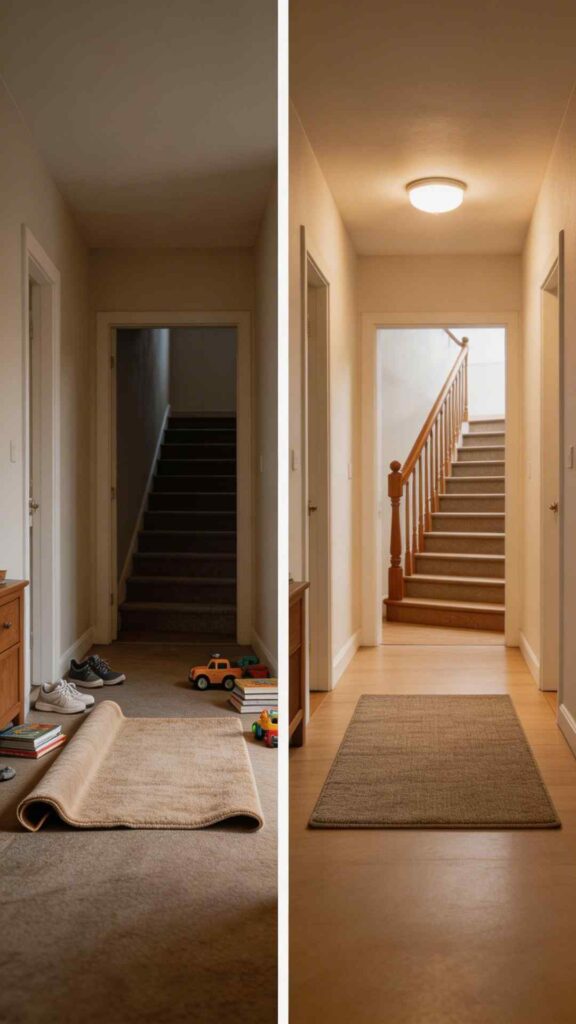
Falls are one of the most common home accidents, but they are often preventable. Look at your home from a movement perspective. Are there cluttered pathways or uneven surfaces that could cause someone to trip?
Keep walkways clear and ensure rugs lie flat without curling edges. Stairs should have sturdy railings and proper lighting. These small adjustments make daily movement smoother and safer for both children and adults.
Fire Safety Essentials Every Home Needs
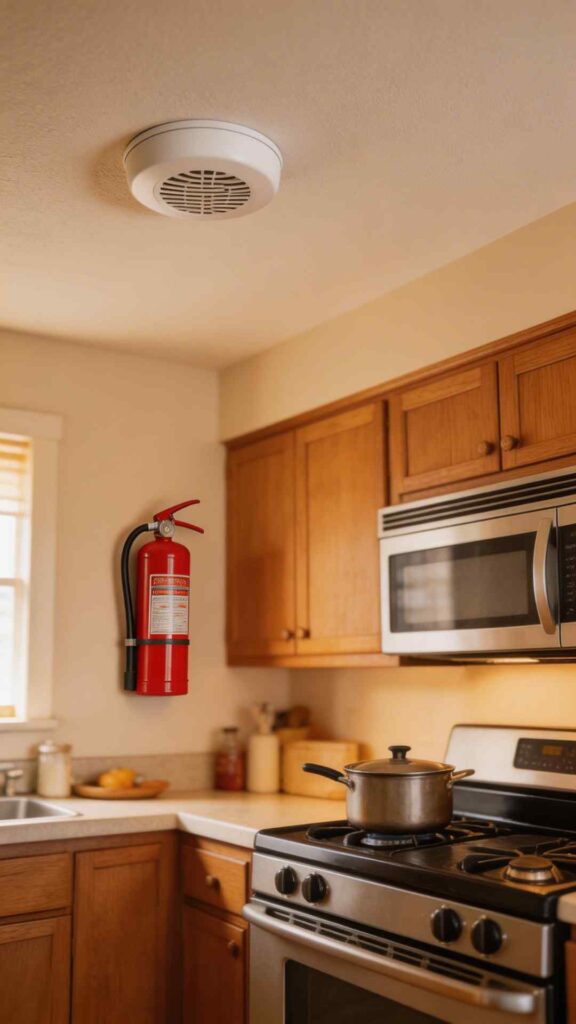
Fire safety is one area where preparation truly matters. Smoke detectors should be installed in key areas and tested regularly. Replace batteries as needed and keep a simple fire extinguisher within easy reach, especially in the kitchen.
It is also helpful to have a basic plan in mind. Knowing how to exit quickly and safely can make a stressful situation easier to handle. These steps may seem simple, but they form an important part of any home safety inspection routine.
Maintain Outdoor Areas and Entry Points

Safety does not stop at your front door. Outdoor spaces and entryways deserve attention too. Uneven paths, loose tiles, or poor lighting can create risks, especially in the evening.
Make sure pathways are clear and well lit. Trim plants that may block visibility near entrances. A clean and well maintained entry area not only looks inviting but also supports safer movement in and out of your home.
Common Mistakes to Avoid in Home Safety
It is easy to assume that safety improvements require large investments, but often it is the small, consistent actions that matter most. Ignoring minor repairs, postponing checks, or relying on temporary fixes can lead to bigger issues over time.
Another common mistake is overlooking everyday habits. Leaving items on stairs, using damaged appliances, or skipping regular inspections can slowly increase risk. Staying mindful of these details helps you prevent home accidents in a natural and manageable way.
Frequently Asked Questions
How often should I do a home safety inspection
It is helpful to do a light check every month and a more detailed inspection every few months. Seasonal changes are also a good reminder to review your home safety checklist.
What is the most important area to focus on first
Start with high use areas like the kitchen, bathroom, and entryways. These spaces see the most activity and often carry higher risks.
Can small changes really help prevent home accidents
Yes, small changes such as improving lighting, fixing loose items, and keeping spaces organized can make a significant difference over time.
Do I need professional help for home safety maintenance
Many tasks can be handled on your own, but for electrical, structural, or gas related concerns, it is best to seek professional advice.
How can I make home safety part of my routine
Try linking it to regular habits such as cleaning days or monthly checkups. Over time, it becomes a natural part of maintaining your home.
Conclusion
Creating a safe home does not require perfection. It simply asks for awareness, care, and a willingness to notice the small details that shape everyday life. By following these home safety maintenance tips and keeping a simple home safety checklist, you can build a space that supports comfort and peace of mind.
Each small step, from checking a lock to clearing a pathway, contributes to a safer environment for your family. With time, these habits become part of your routine, helping you prevent home accidents without stress or overwhelm. A well cared for home is not only beautiful but also quietly protective, offering a sense of security that everyone can feel.